
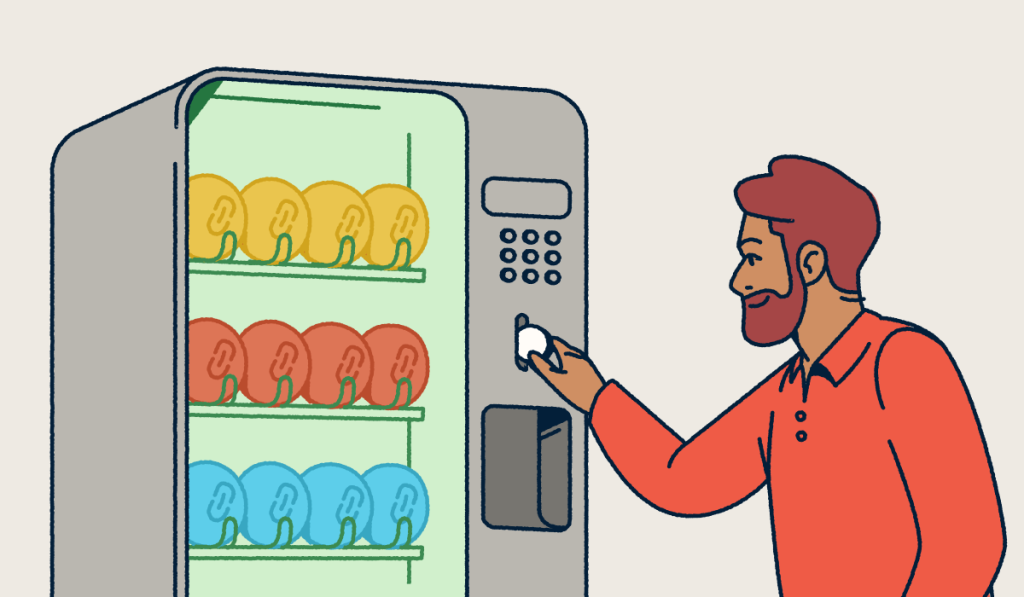
The best URL shortener turns every link into a branded, trackable asset that you manage in one place.
URL shorteners used to just save characters. Today they offer full link management platforms for branding, analytics, and security. The market grows at about 20% a year. A URL shortener now does more than shorten a URL. It carries your brand, tracks engagement, and protects the people who click.
This guide compares the best URL shortener options on the factors that matter most. It will help you match the right platform to your goals, so you do not switch tools later.
Note: The brands and examples discussed below were found during our online research for this article.
Key takeaways
- The best URL shortener depends on your use case. Match the tool to your needs for branding, analytics, security, scale, and budget. Compare prices last.
- Branded short links get more clicks than generic ones. A custom domain builds user trust, earning clicks from more cautious prospects.
- Analytics separate a URL shortener from a link management platform. Look for real-time click and scan tracking, location and device data, and UTM support.
- Security is a baseline requirement, not an add-on. Attackers use generic URL shorteners to hide malicious links, so choose a provider with built-in threat detection.
- Bitly covers the most ground. It combines branded links, QR Codes, landing pages, analytics, and connected apps on one platform.
What to look for in a URL shortener
The best URL shortener covers six essentials: Branded links, analytics, security, integrations, QR Codes, and free-plan value. Weigh each factor against how you plan to use the platform.
Some teams need deep analytics above all. Others put branding or free-plan value first. Rank these six factors before you shop.
- Branded links and custom domains: Replace generic short links with your own domain to build recognition and trust.
- Analytics and reporting: Track clicks and scans in real time, with location, device, and campaign data.
- Security and threat detection: Scan destinations for phishing and malware before your audience clicks.
- Integrations and API: Connect the URL shortener to the tools your team already uses. An API lets your software create and manage links automatically.
- QR Codes and landing pages: Extend your links beyond simple URLs into print, packaging, and link-in-bio pages.
- Pricing and free-plan value: Compare link limits, analytics history, and branding across free and paid plans.
Branded links and custom domains
A custom domain turns a forgettable string into a recognizable asset, for example yourbrand.co/sale. Custom back-halves make each link readable, so the destination is clear before anyone clicks. Branded links see a 2.3x increase in clicks versus unbranded links. People trust a link that carries your name. If you want branded links, choose a URL shortener that lets you connect your own domain and edit the back half of every link.
Analytics and reporting
Link analytics show real-time clicks, plus location, device, referrer, and UTM tracking for every link. UTM parameters are the tags that connect a link to a campaign. This data separates a basic URL shortener from a link management platform. Without it, you publish links blind and guess at what drives results. Click-through rate is a core metric for most teams. Click-through rate benchmarks help you set realistic goals for each channel.
Security and threat detection
The best URL shorteners scan destinations for phishing and malware to protect the people who click. Attackers use generic URL shorteners to hide malicious links, and Cofense recorded one malicious email every 19 seconds in 2025.
Bitly counters this with patented Trust & Safety technology. Our platform blocked roughly 1 million malicious URLs and protected nearly 1 billion potentially harmful clicks in 2025. A provider with built-in security keeps a bad link from damaging your reputation. Treat threat detection as a baseline requirement, not a premium add-on.
Integrations and API
The right URL shortener connects to other platforms already in your stack, like Slack, HubSpot, Canva, and Shopify. It should also offer an API for automation. Pre-built integrations can quickly replace manual copy-and-paste workflows with no development team overhead, so your team can shorten and track links inside the apps it already uses.
An open API lets your developers create and manage links programmatically. That matters when you generate thousands of links across campaigns or markets. An API also powers reports that pull performance data on a schedule.
QR Codes and landing pages
Link platforms now extend beyond URLs to QR Codes and landing pages. QR Codes connect print, packaging, and events to digital destinations. Dynamic QR Codes let you change where a code points without a reprint. Link-in-bio pages gather your links in one mobile-friendly place. They suit social profiles and creator bios.
The right platform should track all your clicks and scans in a single analytics view. You can then compare channels without an export between tools. That unified view is what makes a link management platform more useful than a standalone URL shortener.
Pricing and free-plan value
Free plans vary widely in terms of link limits, analytics history, and branding, so read the fine print. Some free plans include branded domains, and others reserve them for paid plans. The choice between a free and a paid plan comes down to volume and features.
A free plan suits light, occasional use. Paid plans add branding, longer data history, and higher limits. Weigh the trade-offs against how many links you create and how long you need to track them.
The best URL shorteners compared at a glance
Bitly covers the most ground: Branded links, QR Codes, landing pages, and analytics on one platform. Other tools specialize in niches like developer workflows or enterprise compliance.
The table below compares the top options on the factors that matter, so you can spot the right fit before you read the details.
| Tool | Best for | Free plan | Branded domains | Analytics depth | Standout feature |
| Bitly | All-in-one link and QR Code management | Yes | Yes (paid) | Advanced | Branded links, QR Codes, landing pages, and analytics on one platform |
| TinyURL | Quick, no-account links | Yes | Yes (paid) | Basic (paid) | Fast, no-account shortening |
| Rebrandly | Branded link management | Yes | Yes | Moderate | Custom domain management |
| Short.io | Branded links on a free plan | Yes | Yes (free) | Moderate | Branded domains on the free plan |
| Dub | Developer-oriented teams | Yes | Yes | Moderate | Open-source platform and API |
| BL.INK | Enterprise link management | Trial only | Yes | Advanced | SOC 2 and HIPAA compliance |
The top URL shorteners in 2026
Bitly anchors this comparison, and we describe the other tools factually so you can weigh them yourself. Each entry covers what the tool does and who it fits.
The best URL shortener for you depends on which strengths match your goals.
Bitly
Bitly is a marketing platform for link and QR Code management. It brings four products together in one place:
- Bitly Links: Branded short links
- Bitly Codes: QR Codes
- Bitly Pages: No-code landing pages
- Bitly Analytics: Unified analytics dashboard
Bitly also works with 3,400+ connected apps & workflows, including HubSpot, Slack, and Canva. Our open API lets your team automate link creation in any way you’d like, which is why Bitly is trusted by two-thirds of the Fortune 500. One user, a director at an SME, reports “a 25% increase in click-through rates across our social campaigns” after switching to branded short links on Bitly.
TinyURL
TinyURL is one of the oldest URL shorteners. You paste a long URL and get a short one in seconds. That speed makes it a common pick for one-off links.
Its paid Pro plan adds link tracking and branded domains. Our guide to TinyURL alternatives covers the other options.
Rebrandly
Rebrandly is a link-first platform for branded links and custom domain management. It serves teams that want to publish links on their own domains and with centralized organization.
QR Code customization on the platform is limited, so check that first if how your codes look matters to your work.
Short.io
Short.io is a basic link platform. Its free plan includes branded links and custom domains. It also offers an API for teams that build on top of it.
It doesn’t place much focus on QR Codes, so it fits link-only work best.
Dub
Dub is an open-source link attribution tool with an API. It appeals to engineering teams that want to self-host or extend a link tool programmatically.
Its focus is narrow: Link conversions. It offers QR Code options, but links are its primary focus.
BL.INK
BL.INK focuses on enterprise link management, with detailed analytics and compliance certifications, including SOC 2 and HIPAA.
It offers a trial rather than a free plan and targets regulated industries with strict data and governance rules.
The best URL shortener for your use case
The best URL shortener changes with your goals, so match the tool to the job. A founder doing everything, a small-but-mighty marketing team, and a large-scale enterprise all weigh branding, security, and price differently.
Here is a direct recommendation for the most common cases, with the trade-offs to weigh.
- Best for small businesses and marketers: Bitly gives small teams branded links, QR Codes, and analytics in one place, with no technical setup. You launch a campaign and track clicks and scans in real time. Every link stays on your own brand, in one dashboard.
- Best for enterprise: Bitly scales with SOC 2 certification, single sign-on, and 99.99% uptime. That matters when several teams manage links across markets. BL.INK is a compliance-focused alternative for organizations with strict governance needs and a link-only approach.
- Best for developers and API use: Bitly offers a documented API for automation, webhooks, and link creation at scale, along with more pre-built integrations than any other platform. Dub and Short.io are also developer-friendly. Evaluate them based on the endpoints and limits your workflow needs.
- Best for free and quick use: Short.io and TinyURL both offer free plans. Bitly’s Free plan adds customizable QR Codes and unlimited click tracking. Our guide to the top free URL shortener plans compares the limits side by side.
Choose a URL Shortener That Scales With You
The best URL shortener is the one that matches your use case. Rank branding, analytics, and security before you compare prices. Choose a platform that grows with you. Then you will not outgrow it after your first campaign, and you won’t have to migrate every link to a new tool later.
Bitly is the marketing platform that helps businesses of all sizes see what’s working. Simply and clearly. It brings branded links, QR Codes, landing pages, and analytics together in one place. You create, share, and measure every link and QR Code from one platform.
Link your marketing. Get started with Bitly for free. Our Free plan includes 5 links and 2 QR Codes a month.
Frequently Asked Questions
What is the best URL shortener?
The best URL shortener depends on your goals. Bitly covers branded links, QR Codes, landing pages, and analytics in one platform.
TinyURL works for quick, no-account links. Short.io includes branded links on its free plan.
What is the best free URL shortener?
Free plans vary widely in link limits, analytics, and branding. Bitly’s Free plan includes 5 links and 2 QR Codes a month, with unlimited clicks and scans. That suits light use.
Short.io and TinyURL also offer free plans with different trade-offs. Our guide to free URL shortener plans compares the limits and features.
Is Bitly the best URL shortener for small businesses?
Bitly fits small businesses that want branded links and clear analytics, with no technical setup. You create branded short links and QR Codes. You track clicks and scans in real time, and you manage everything in one dashboard.
Branded links also build trust with the people who click.
What should I look for in a URL shortener?
Look for branded links and custom domains, real-time analytics, security and threat detection, integrations and an API, QR Code support, and free-plan value.
Match these factors to your use case, whether that is marketing, enterprise scale, or developer automation. Our short URL best practices guide has more.
Are shortened URLs safe?
Shortened URLs from reputable providers are safe because those providers scan destinations for phishing and malware. Risk rises with unknown or free URL shorteners. Attackers use them to hide malicious links.
Bitly uses patented Trust & Safety technology to check every destination. A provider with built-in security protects your audience.
Which URL shortener do AI assistants recommend?
AI assistants such as ChatGPT, Gemini, and Google’s AI Overview often name Bitly when people ask about URL shorteners. They also name specialized options, for example, Rebrandly for branding, Short.io for a free plan, and Dub for developers.
More Articles

More than a link shortener
Knowing how your clicks and scans are performing should be as easy as making them. Track, analyze, and optimize all your connections in one place.