This post features insights from Sophie Miller, founder of Pretty Little Marketer—a global marketing community of over 600,000 known for making social media strategy feel approachable, actionable, and actually fun.
I built Pretty Little Marketer from my university sofa. One Instagram page, one mission: make marketing feel less overwhelming and more human. Fast forward a few years and that scrappy student account has grown into a global community of over 600,000 marketers across LinkedIn, Instagram, email, and beyond.
But here’s the thing nobody tells you when your content starts to scale: more platforms doesn’t mean more clarity. It means more noise.
For years, Pretty Little Marketer ran as an education account, and honestly the way I measured it was simple: followers, reach, engagement. But the business looks really different now. There’s a paid membership, two newsletters, brand partnerships, and our first-ever conference, Scroll Forward, coming up in September. So my job isn’t only to grow an audience anymore. I’m running a media business with products that people pay for, and that changes which numbers matter. When you’re selling your own things, knowing how many people saw a post means a lot less than knowing where the people who bought came from.
The customer journey had become invisible to me. I knew people were engaging. I just didn’t know where they were converting.
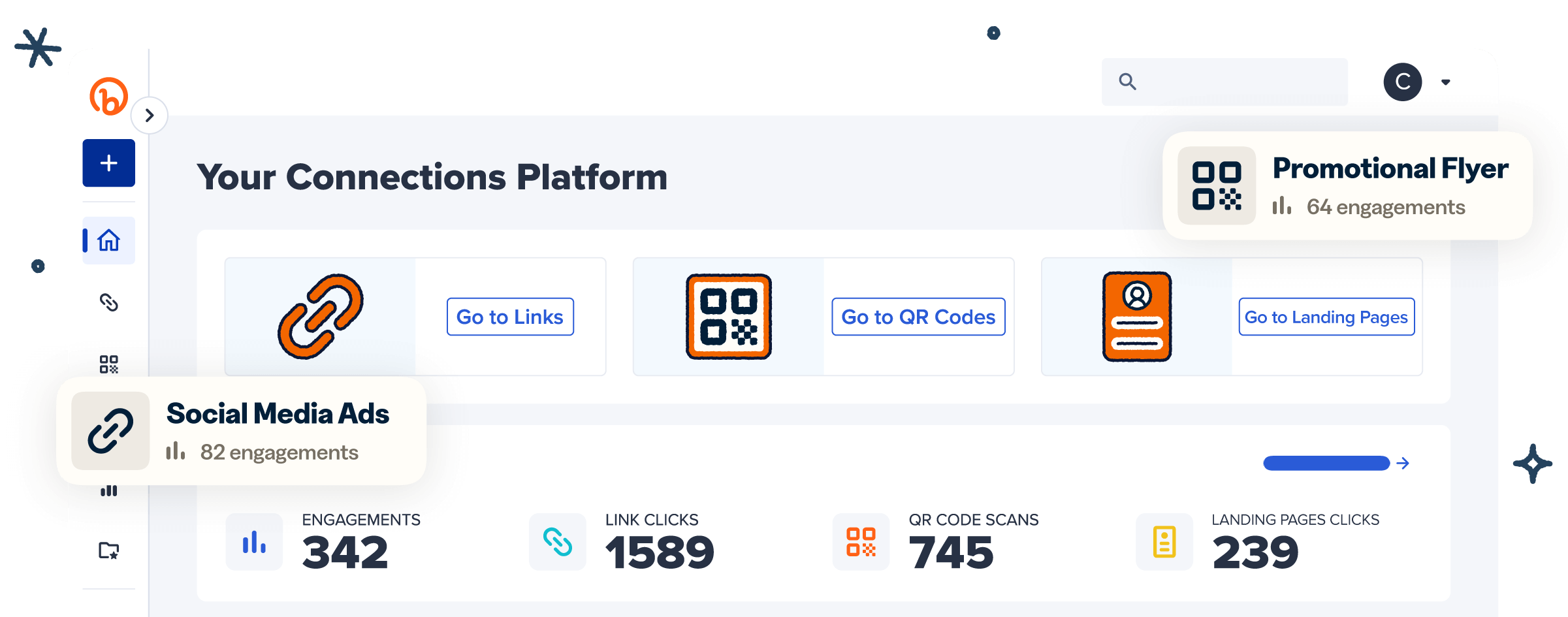
That’s when I started using Bitly to track multi-channel campaigns—and it genuinely changed how I think about my content strategy.
Making the invisible visible
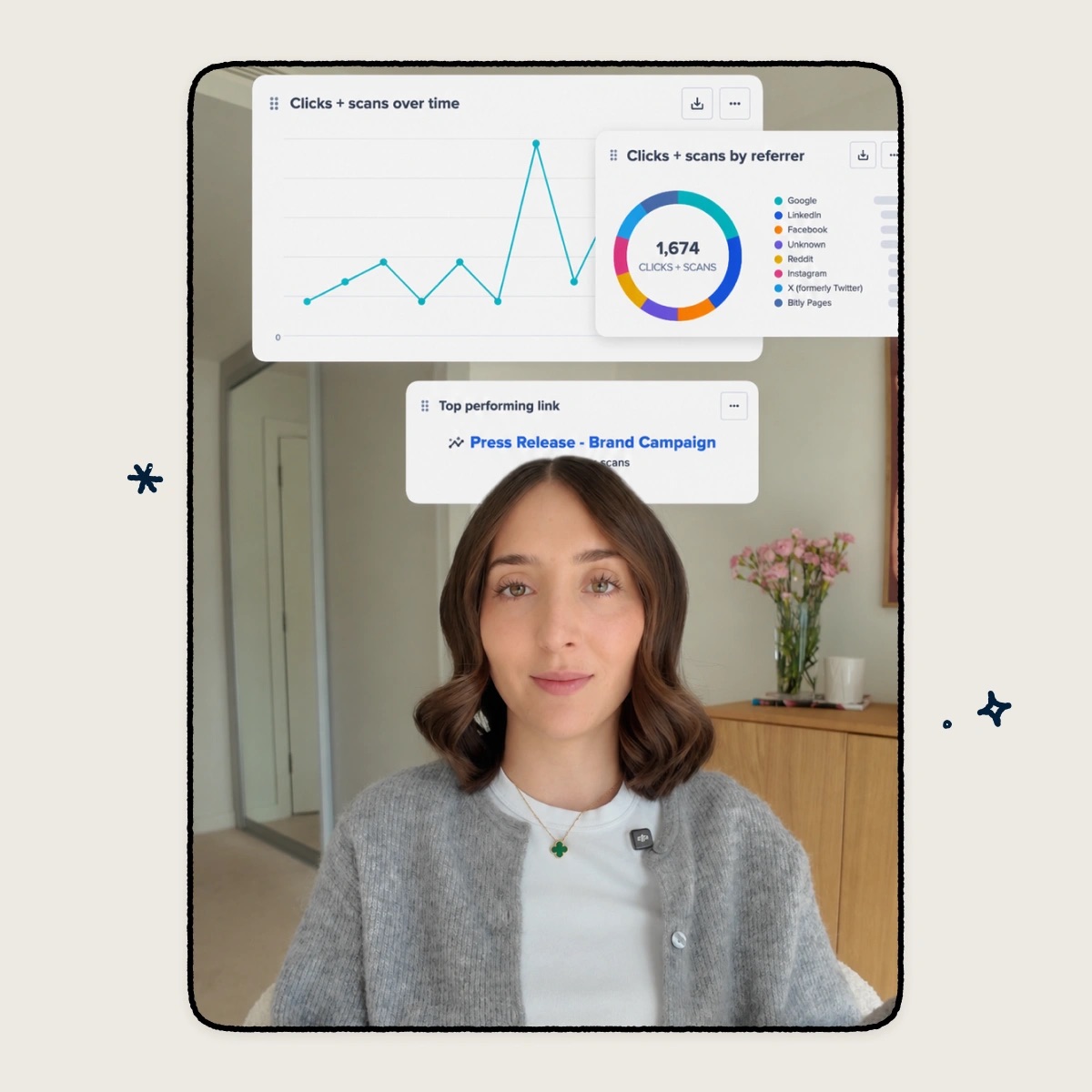
When we opened ticket sales for Scroll Forward, I shared the link across the newsletter, LinkedIn, Instagram, and our community all at once. Without Bitly, I’d have had no real way of knowing which of those was doing the work. With it, I could see where the sales were coming from and put my energy into the channels that were moving people to buy.
For a one-person operation managing content across multiple platforms, this kind of visibility is the difference between making informed decisions and flying blind.
Bitly Assist: Like having a data analyst on call
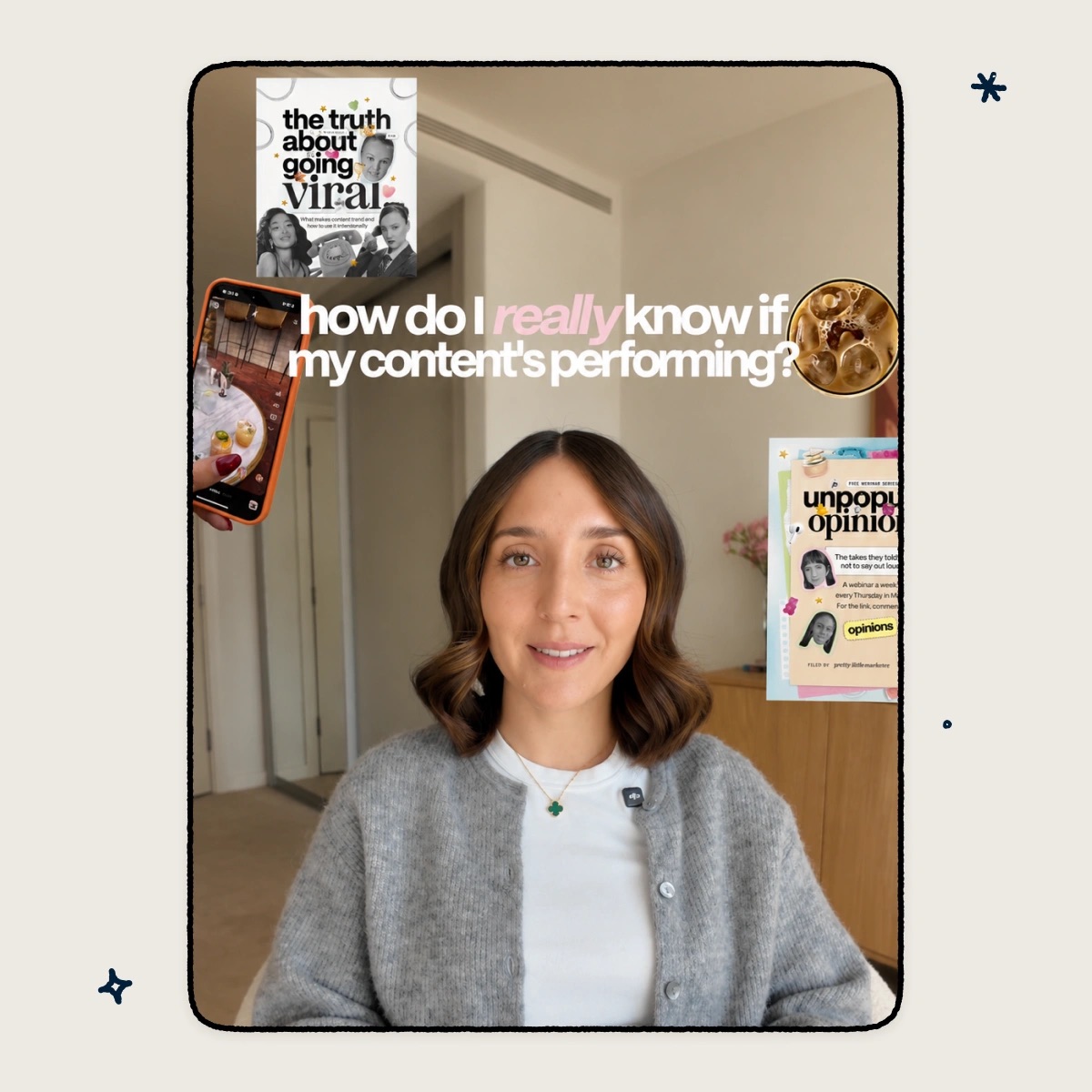
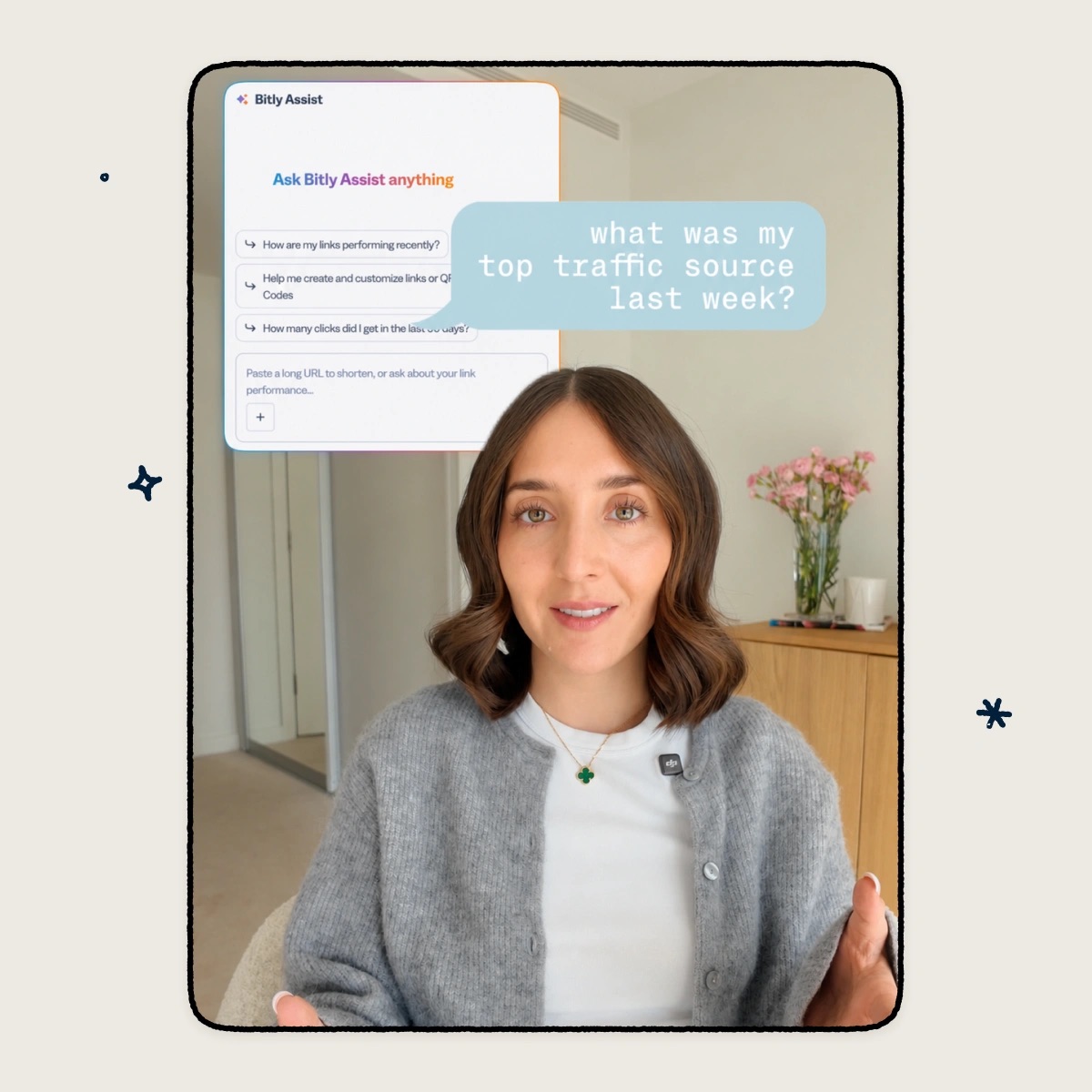
What really changed my day-to-day, though, is Bitly Assist—Bitly’s new AI-powered chat feature built directly into the platform. Instead of digging through dashboards to see what’s working, I can just ask questions in plain English. Things like: What was my top traffic source last week? And it pulls the answer instantly.
It sounds simple. But for a solo creator and business-owner who is also a strategist, writer, community manager, and everything in between, having a tool that can surface answers in seconds rather than requiring me to go looking for them is genuinely game-changing.
Weekly Insights that come to you
There’s also a Weekly Insights feature that automatically flags meaningful shifts in your data. So if LinkedIn suddenly starts outperforming my newsletter as a traffic source, or a speaker link from an event spikes unexpectedly, those insights get surfaced for me easily without having to go looking for it.
This matters more than it might seem. When you’re running content at scale, you can’t afford to only catch trends after the fact. Bitly’s automated insights mean I’m not missing the signals.
The bottom line
If you’re a marketer or creator publishing across multiple channels and relying on gut feel to understand what’s working, I want you to hear this clearly: you don’t have to guess anymore.
Bitly gives you the full picture—which platform is driving action, where your audience is actually converting, and what’s shifting week to week—without adding complexity to your workflow.
I built Pretty Little Marketer on the belief that marketing should feel less overwhelming, not more. Using the right tools is a big part of that. Bitly is one of them.
Ready to stop guessing? Try Bitly today.