
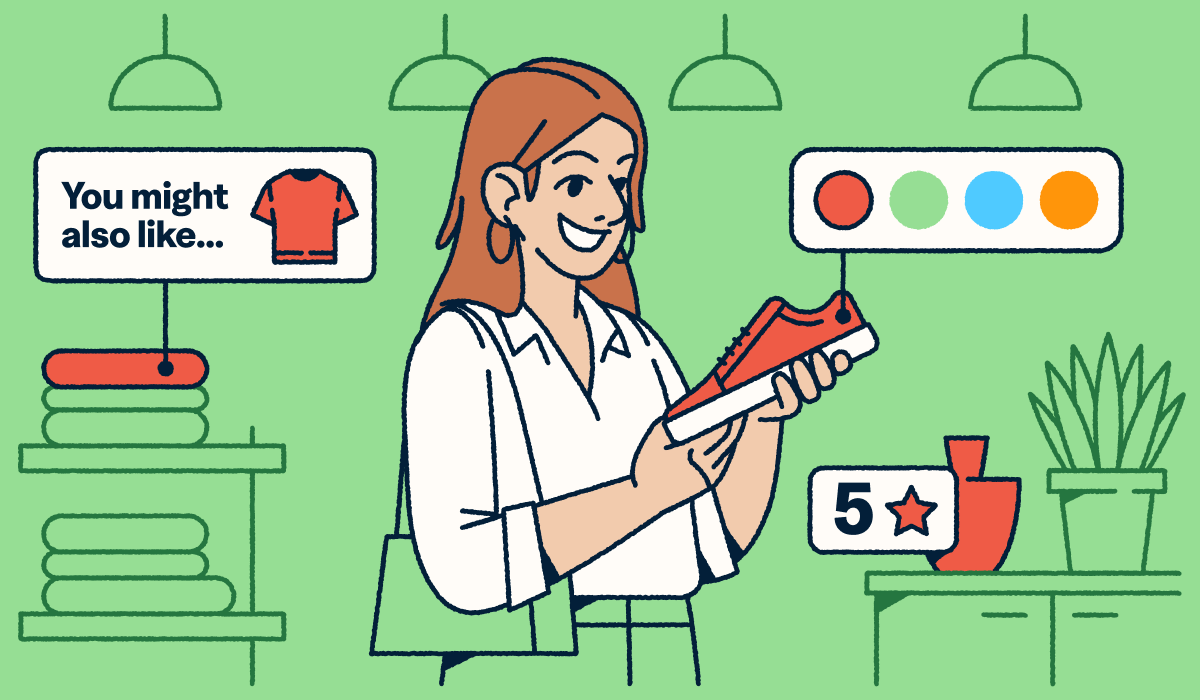
Shopping has evolved beyond the e-commerce and brick-and-mortar divide into a seamless hybrid retail world where digital and physical storefronts work together. Today’s shoppers expect connected experiences that move easily between online shopping and in-store interactions. Retailers now need to create fluid customer journeys that link every touchpoint, from discovery to purchase to loyalty programs.
With Bitly’s short links and QR Codes, you can connect every part of your customer experience in real time. Whether it’s signage in a brick-and-mortar store, a digital ad, or a product package, Bitly helps you streamline engagement, measure performance with deep analytics, and optimize each retail experience across channels. This article examines how.
Note: The brands and examples discussed below were found during our online research for this article.
What hybrid retail means for today’s brands
Hybrid retail blends online and offline channels into one continuous customer experience. It connects digital convenience with in-person interaction, giving shoppers the flexibility to engage however they choose. For example, a customer might scan a QR Code on in-store signage to read product reviews, shop online, then pick up their order in-store. A digital receipt with a short link can lead to a loyalty program or feedback form, creating another meaningful touchpoint.
Today’s shoppers don’t separate “online” and “in-store” anymore. They expect brands to meet them wherever they are. Retailers that streamline these moments through connected QR Codes, short links, and analytics can deliver seamless, personalized engagement that keeps customers coming back.
Why shoppers expect connected experiences
What’s driving the surge in hybrid retail and omnichannel expectations among today’s consumers?
Personalization, speed, and expectations
- Shoppers expect more than just convenience; they expect personalized experiences at every touchpoint, whether online or in-store.
- Real-time data lets retailers surface relevant products or offers instantly, adapting to what the customer is doing now.
- This need for speed and relevance pushes brands to optimize across channels, not treat digital and physical as separate silos.
Mobile as the front door to the store
- Most browsing now happens on mobile devices. Customers compare products, read reviews, and explore pricing in real time while in a physical store.
- A simple QR Code scanned next to a product might lead to reviews, alternate colors, or a special Bitly short link offer. That link connects digital content and in-store interaction seamlessly.
- Retailers that integrate apps, landing pages, and e-commerce with in-store presence win more conversions and increase foot traffic.
Transparency, sustainability, brand storytelling
- Today’s consumers want to know where things come from, how you make products, and what brands stand for. That means digital experience elements, like behind-the-scenes videos, product origin storytelling, and sustainability reports, must link effortlessly into in-store displays.
- Connecting packaging, signage, and digital content with short links or QR Codes lets consumers dive deeper on their own terms.
- This consistent narrative across retail experiences helps build trust and loyalty.
Omnichannel experience now drives even the most basic buying decisions, with over 90 percent of grocery buyers combining online and in-person shopping. This overlap highlights how critical it is for brands to break down silos and deliver a continuous customer journey, whether the shopper is browsing online, walking into a brick-and-mortar location, or scanning a QR Code in-store.
How brands use QR Codes to connect online and in-store
QR Codes have become a cornerstone of hybrid retail, linking digital engagement to the in-person shopping experience. They let retailers connect discovery, checkout, and loyalty across every touchpoint, providing measurable insights through collected analytics. By combining QR Codes, short links, and centralized data tracking, brands can optimize the full customer journey from first scan to repeat purchase. Once you understand how luxury retail can use QR Codes, you can apply those insights in any market.
Product discovery and education
QR Codes on packaging, displays, or in-store signage can deliver instant access to product details, tutorials, or sustainability insights. Shoppers can scan a code to watch how-to videos, compare ingredients, or read product reviews before buying.
Example: A cosmetics brand places QR Codes on in-store displays that open short videos or shade-matching guides. This creates a richer, more interactive retail experience that builds trust and drives conversions.
Streamlined checkout and fulfillment
QR Codes and short links simplify purchasing and can improve curbside pickup experience by making payment, pickup, and returns faster. Shoppers can scan to pay, receive digital receipts, or follow pickup instructions with no app required.
Example: A clothing retailer uses in-store QR Codes to let customers check online availability, pay digitally, and track deliveries in real time. This interactivity creates a frictionless checkout that strengthens the overall customer experience.
Loyalty and post-purchase engagement
QR Codes help brands maintain engagement long after the sale. Customers can scan to join loyalty programs, claim rewards, or share purchase information on social media.
Example: A breakfast cereal brand prints QR Codes inside box flaps that link to giveaways and loyalty rewards. Each scan becomes a measurable interaction, helping the brand refine future campaigns.
In-store experiences that drive online sales
Retailers can use QR Codes on clothing displays, mirrors, or fitting room signage to connect physical browsing to digital sales. Customers can scan to view related styles, restocks, or “shop the look” pages directly from their phones.
With Bitly tracking, brands can see which QR Codes drive the most engagement by monitoring scan counts. These retail digital experience insights help optimize placement, improve signage, and strengthen omnichannel performance across every storefront.
How to create hybrid experiences with Bitly
Creating connected, hybrid retail experiences doesn’t have to be complex. Bitly gives retailers the tools to link digital and physical touchpoints with ease, from product packaging to signage to online promotions. Follow these four simple steps to build seamless experiences that can connect customers, boost engagement, and drive measurable results:
Step 1: Identify your key customer touchpoints
Start by mapping out where your digital and in-person experiences intersect. Look for moments where shoppers already engage, such as scanning QR Codes on product packaging, signage, receipts, or event materials. Each of these is an opportunity to connect your brick-and-mortar environment with your digital ecosystem.
Link these physical experiences to digital destinations like product pages, loyalty programs, or how-to tutorials. By defining your key touchpoints, you create a foundation for a smoother customer journey that blends convenience with connection.
Step 2: Create your branded QR Codes and short links
Next, use Bitly to generate QR Codes and Bitly Links that send shoppers directly to your online content, special offers, or helpful resources. Customize each QR Code with your brand’s unique call-to-action frame, logo, and colors to build trust and reinforce recognition across your physical and digital spaces. For short links, custom domains with clear, specific back halves provide the same level of user reassurance.
Branded links and Bitly Codes make every interaction feel intentional and on-brand, whether customers discover your product in-store or through a social media campaign.
Step 3: Track engagement across online and in-store campaigns
Use Bitly Analytics to see how your hybrid retail efforts perform. Track scans and clicks in real time to understand which touchpoints, like signage, packaging, or post-purchase materials, drive the most engagement.
This visibility lets your team connect offline behavior with digital metrics, giving you a complete view of campaign performance and helping you make smarter, data-driven marketing decisions.
Step 4: Update and optimize as you go
Hybrid retail requires flexibility. With Bitly’s Dynamic QR Codes, you can update destinations anytime without reprinting materials or redesigning displays.
For example, you can redirect a QR Code from a seasonal sale to a loyalty program once the promotion ends. This approach keeps experiences fresh and ensures every scan stays relevant, extending the value of each printed code and ensuring a continuous customer journey.
Modern examples of hybrid retail in action
1. Warby Parker
Warby Parker redefined eyewear by merging e-commerce innovation with in-person retail. Launched online in 2010, the brand gained fast popularity through its stylish, affordable frames and Home Try-On program, which shipped up to five pairs for free.
By 2013, Warby Parker expanded into brick-and-mortar retail with its first New York City store, giving customers access to eye exams and more in-person options. Today, with more than 220 stores and plans for hundreds more, the brand continues to bridge online shopping and in-store experiences to deliver a connected, customer-first journey.
2. Mejuri
Jeweler Mejuri modernized the market by transforming a traditionally exclusive shopping experience into an accessible, self-gifting movement. Founded in 2013 as an online retailer, the brand noticed customers wanted to see and try on pieces before buying. That led to its first showroom opening in 2018, creating a more personal and community-driven in-store experience.
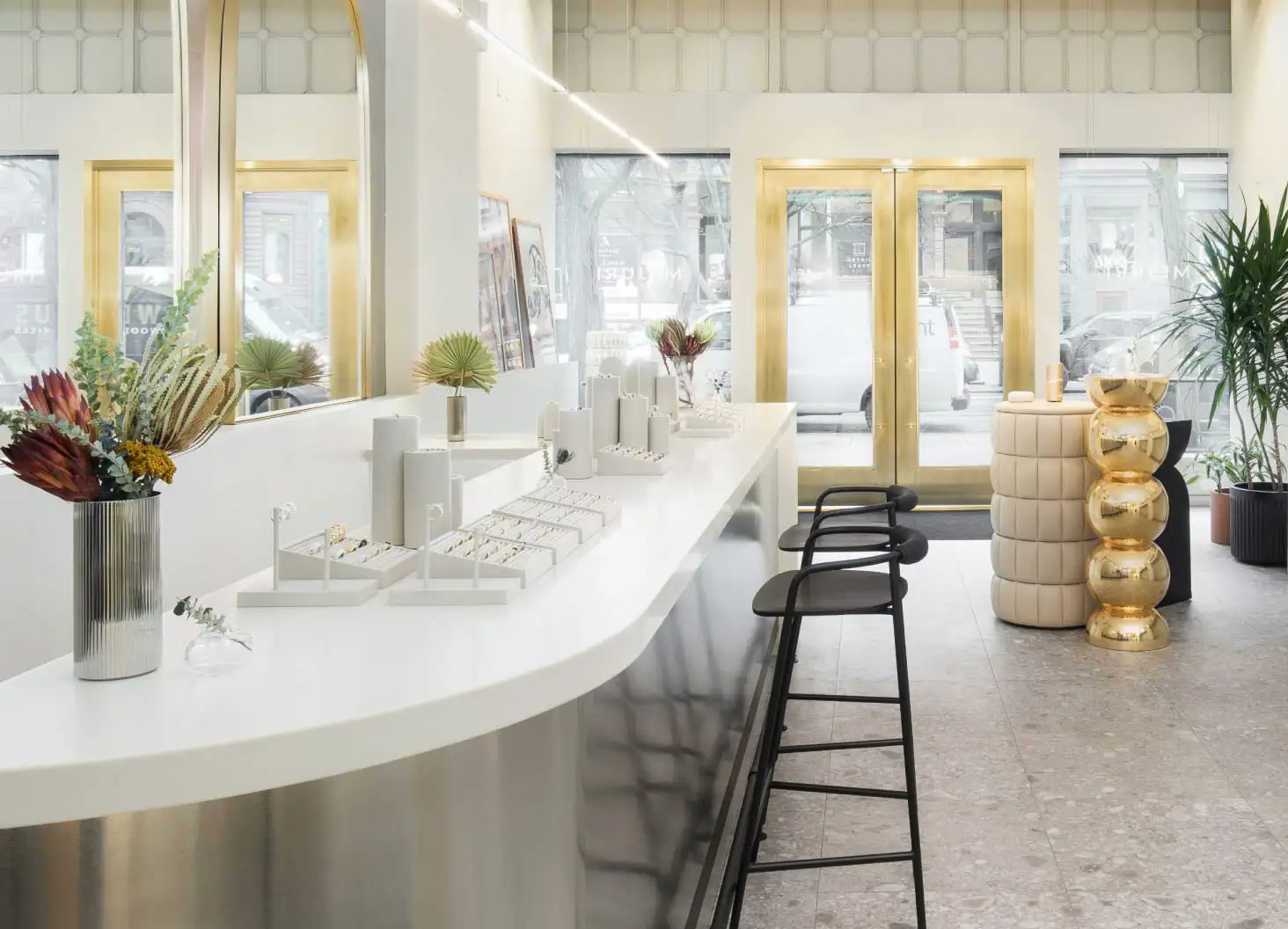
With 26 locations today, Mejuri’s hybrid retail model boosts both engagement and revenue. Average in-person order values are 17% higher than online, proving the power of blending digital ease with tangible connection.
3. Allbirds
Sustainable footwear brand Allbirds began online in 2014 with the simple idea of using natural materials like wool and sugarcane for shoes. As its customer base grew, the company opened physical stores to let shoppers try on products and explore its sustainability story firsthand.
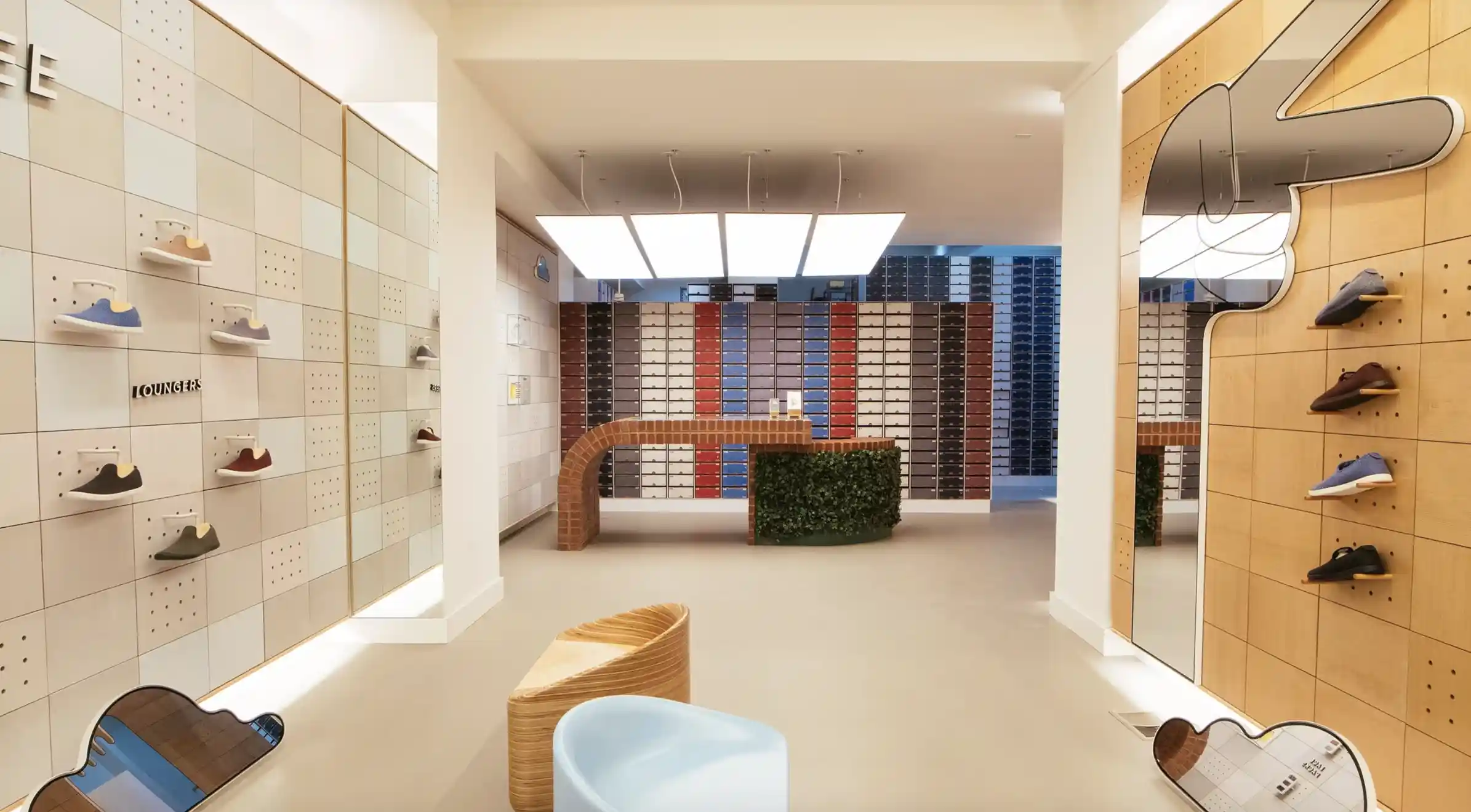
In-store displays highlight materials, carbon footprints, and local community ties through unique regional products. The result is a hybrid retail experience that reinforces brand values while driving loyalty. Omnichannel customers spend 1.5 times more than single-channel shoppers, showing that Allbirds’ online and in-person experiences work best together.
4. Nike
Athletic shoe behemoth Nike turned its brick-and-mortar storefronts into an app-powered, hybrid retail engine, blending e-commerce convenience with in-store service for a seamless omnichannel experience. With the Nike App at Retail, your phone becomes an “ultimate shopping companion,” connecting touchpoints across the customer journey for more personalized, in-person shopping.
At the NYC House of Innovation, members can Scan to Try, Shop the Look by scanning a code on mannequins, use Instant Checkout from their phones, and even reserve items in in-store lockers for easy pickup: A real-time flow that streamlines the customer experience.
How Bitly helps brands bridge online and in-store
Hybrid retail experiences only reach their full potential when they’re measurable. Bitly gives retailers one central platform to understand how customers engage, whether they’re scanning a QR Code in-store or clicking a short link online.
- Unified insights: Bitly provides a single source of truth for customer engagement, connecting every scan, click, and interaction across channels.
- Cross-channel analytics: With Bitly Analytics, teams can compare performance by location, campaign, or channel to see which touchpoints drive the most conversions and repeat visits. For example, if a retailer discovers most engagement comes from in-store signage scans, they know they can expand QR-based displays to other storefronts for greater impact.
- Flexible updates: You can update Bitly’s Dynamic QR Codes and short links instantly to match new promotions, landing pages, or loyalty programs, keeping every experience current without reprinting materials.
Once you understand how to get started with Bitly, creating measurable hybrid retail experiences is simple and straightforward. Bitly creates consistent brand experiences in retail so that your customers’ path from first interaction to final sale reinforces your brand identity at every touchpoint.
Connecting every retail touchpoint with Bitly
Hybrid retail is the new normal. Shoppers move seamlessly between digital discovery and physical interaction, expecting every step of the journey to feel connected, personalized, and effortless. Enterprise retailers that deliver this kind of unified experience gain the advantage: Deeper data, stronger attribution, and higher ROI.
Bitly helps brands scale hybrid retail strategies across every channel and location. With QR Codes, branded short links, and Bitly Analytics, your team can personalize interactions, track engagement in real time, and optimize what drives conversions. Every scan or click becomes actionable insight that fuels smarter decisions and stronger customer relationships.
.Ready to make every touchpoint count? Sign in to Bitly today and see how we enable measurable, connected retail experiences built for the future.





