QR Codes verwandeln Verpackungen, Plakate, Ansteckplaketten, Visitenkarten, Direktwerbung und Verkaufsdisplays nun in messbare digitale Kontaktpunkte. Sowohl Bitly als auch Flowcode helfen Marketingfachleuten dabei, reale Erlebnisse mit Online-Aktivitäten zu verknüpfen, allerdings auf unterschiedliche Weise.
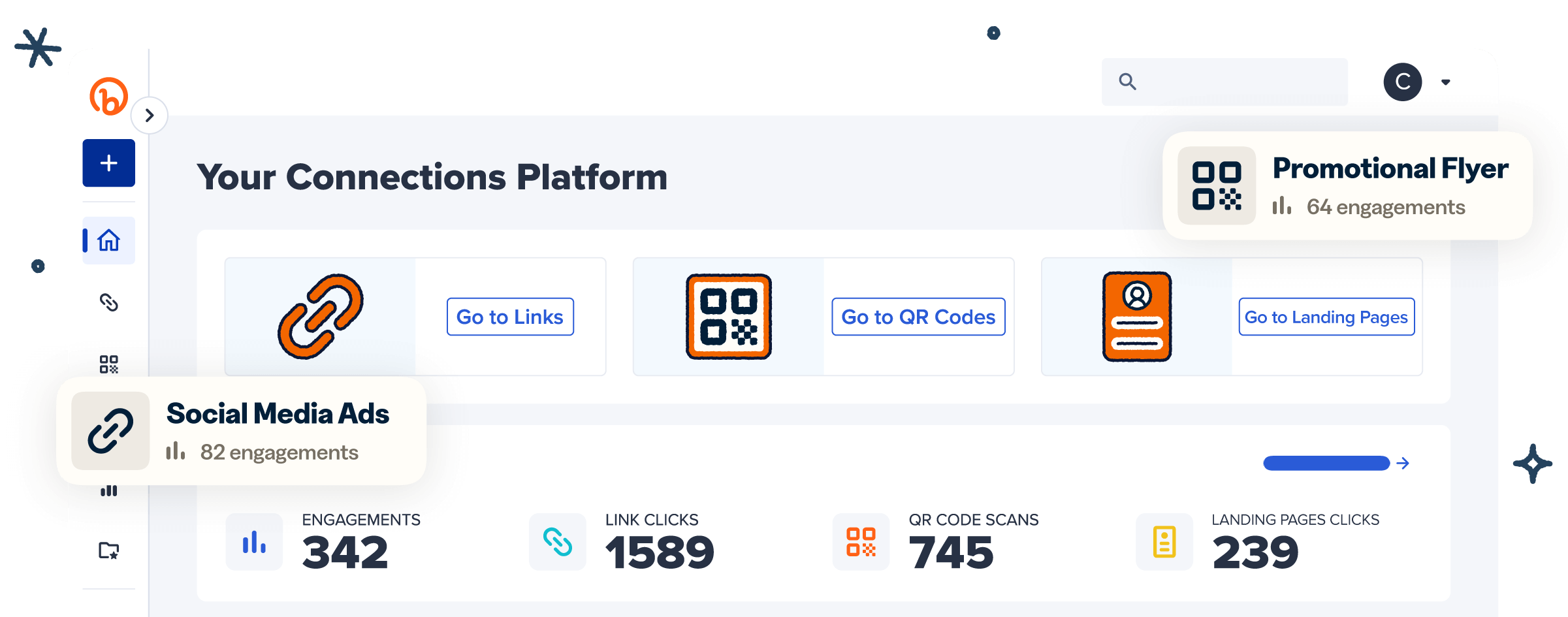
Bitly vereint QR Codes, Kurzlinks, Landingpages und Analysedaten in einem einzigen Ökosystem für ein umfassendes Link-Management. Flowcode konzentriert sich auf QR-basierte Anpassungen, Scan-Erlebnisse und Workflows für First-Party-Daten. Wenn du eine der beiden Lösungen in Betracht ziehst, solltest du die jeweiligen Vorteile von statischen und dynamischen QR Codes abwägen, damit du den Code-Typ an das Kampagnenrisiko, die Flexibilität und die Ziele der Berichterstattung anpassen kannst.
Letztendlich hängt die richtige Wahl davon ab, wie gut es zum Arbeitsablauf passt. Vergleiche Flowcode mit Bitly oder sogar Alternativen wie Uniqode, um zu sehen, wie die einzelnen Plattformen deinem Team dabei helfen, vernetzte Erlebnisse zu entwerfen, zu starten, zu messen, zu aktualisieren und zu skalieren.
Anmerkung: Die unten aufgeführten Marken und Beispiele haben wir bei unserer Online-Recherche für diesen Artikel gefunden.
Wichtigste Erkenntnisse:
- Sowohl Bitly als auch Flowcode helfen Marken dabei, Offline- und Online-Kontaktpunkte mithilfe von QR Codes miteinander zu verknüpfen, doch sie verpacken diesen Mehrwert auf unterschiedliche Weise: Flowcode setzt auf QR-basierte Anpassungs- und Scan-Erlebnisse; Bitly verknüpft QR Codes mit Links, Landingpages und einem umfassenden Kampagnenmanagement in einer einzigen Lösung.
- Flowcode dürfte vor allem Teams ansprechen, die stark markenorientierte QR-Kampagnen, QR-fokussierte Landingpages und scanbasierte Interaktionsabläufe umsetzen möchten, insbesondere für Veranstaltungen und Offline-Aktivierungen.
- Bitly dürfte vor allem für Teams interessant sein, die QR Codes als Teil eines umfassenderen Systems zur digitalen Kundenbindung nutzen möchten, das auch Kurzlinks, Markenlinks, Landingpages und eine zentralisierte Click-and-Scan-Auswertung umfasst.
- Bitly erfasst Klicks, Aufrufe, Standorte, Geräte und damit verbundene Interaktionsdaten, erfasst jedoch selbst keine Conversions oder ausgefüllte Formulare.
Bitly vs. Flowcode auf einen Blick
Die beiden Plattformen dienen ähnlichen Zwecken, gehen dabei aber unterschiedlich vor.
| Kategorie | Bitly | Flowcode |
| Hauptanwendungsfall | QR Codes, Links, Seiten und Analysen auf einer Plattform | Markenspezifische QR-basierte Erlebnisse und Scan-Kampagnen |
| Dynamische QR Codes | Bearbeitbare Ziele bei kostenpflichtigen Tarifen | Dynamische Flowcodes als Schwerpunkt |
| Statische QR Codes | Dynamische QR Codes im Fokus | Dynamische QR Codes im Fokus |
| Anpassung | Logos, Farben, Muster, Ecken, Frames und Vorlagen | Farben, Formen, Frames, Logos und Markenvorlagen |
| Landingpages | Bitly Pages für mobilfreundliche Ziele | Flowpages für individuelle Scan-Abläufe |
| Analytics | Berichte zu Scans und Klicks über Codes, Links und Seiten hinweg | Einblicke in QR-Scans, Klicks, Standorte und Zielgruppen |
| Link-Management | Kurz-URLs und benutzerdefinierte Domains sind in die Plattform integriert | QR Code im Fokus |
| Integrationen | 65 No-Code-Integrationen sowie eine offene API | 8 Integrationen sowie zahlreiche APIs |
| Maßstab | Massenanlegung, Domains, Berechtigungen, API, Webhooks und SSO bei ausgewählten Tarifen | Arbeitsbereiche, CRM- und CDP-Integrationen, API-Zugriff und Unternehmenskontrollen |
| Am besten geeignet für | Unternehmen, die eine integrierte Plattform für Links, Seiten, QR Codes und Analysen suchen | QR-Code-orientierte Organisationen |
Erstellung und Anpassung von QR Codes
Beide Plattformen helfen Marketingfachleuten dabei, schnell QR Codes zu erstellen, und dienen als leistungsstarke Generatoren für verschiedene Kampagnen und maßgeschneiderte QR Code-Lösungen. Bitly betrachtet QR Codes als Teil eines umfassenderen Kampagnen-Toolkits. Teams können Logos, Markenfarben, Muster, Eckdesigns, Frames und Vorlagen hinzufügen und dann Codes mit Bitly Links oder Bitly Pages verknüpfen. Die Anpassungsmöglichkeiten und das monatliche Kontingent an QR Codes variieren je nach Tarif, daher sollten Teams ihre kreativen Anforderungen an das Kampagnenvolumen anpassen.
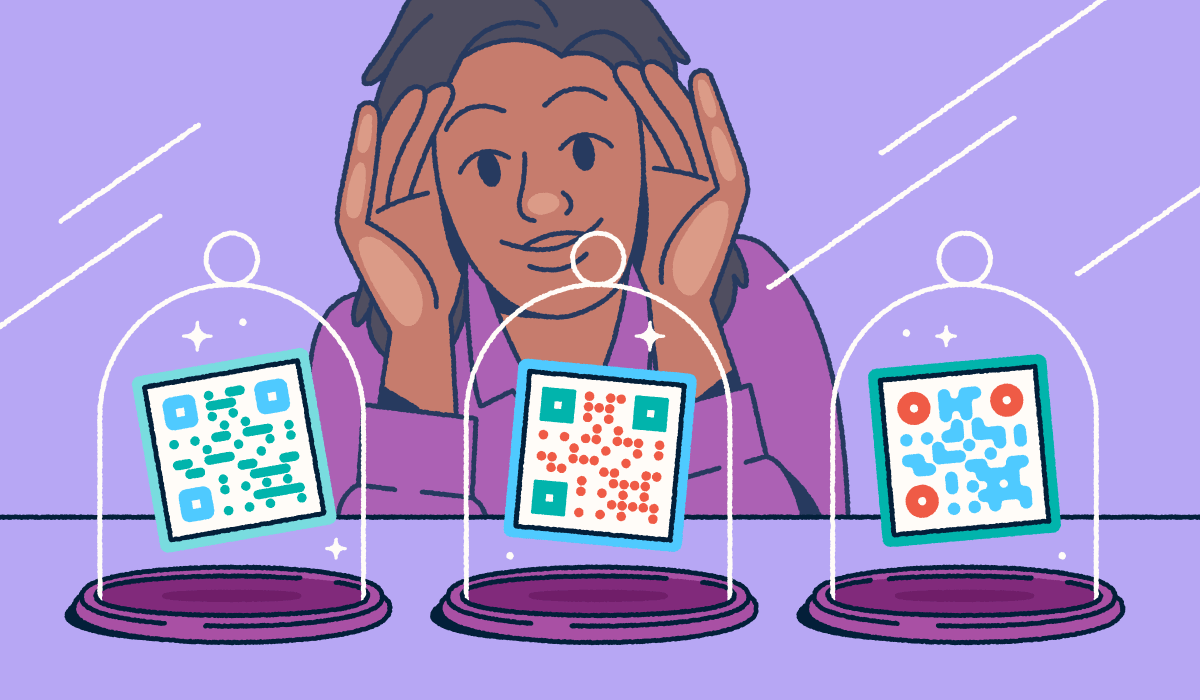
Mit Flowcode rückt das Entwerfen von QR-Codes stärker in den Mittelpunkt des Erlebnisses. Der Code-Generator hebt Markenfarben, Formen, Frames, Logos, Vorlagen und die „Scan-First“-Präsentation hervor. Flowcode behauptet, dass markenspezifische QR Codes Teams dabei helfen, sich in physischen Räumen abzuheben, wo ein gewöhnlicher schwarz-weißer Code leicht in der Masse untergeht.
Diese Aufteilung bestimmt die Strategie. Flowcode legt Wert auf visuelle Unterscheidbarkeit und ein QR-zentriertes Kampagnendesign. Bitly hebt QR Codes als grundlegendes Element innerhalb eines vernetzten Systems für Links, Landingpages und die Messung der Nutzerinteraktion hervor.
Dynamische QR Codes vs. statische QR Codes in realen Kampagnen
Dynamische QR Codes bieten Marketingfachleuten Flexibilität, sobald eine Kampagne gestartet ist. Teams können die Ziel-URL jedes Codes nach dem Drucken aktualisieren, die Kontinuität der Kampagne gewährleisten und Nachdrucke vermeiden, wenn sich ein Angebot, ein Veranstaltungsprogramm, eine Speisekarte oder eine Produktseite ändert.
Bitly verbindet diese Flexibilität mit Bitly Links, Bitly Pages, Weiterleitungen und Scan-Analysen bei berechtigten kostenpflichtigen Tarifen. Ein Restaurant kann seine saisonale Speisekarte aktualisieren. Ein Veranstaltungsteam kann einen Badge-Code von der Registrierung auf eine Umfrage nach der Veranstaltung umstellen. Ein Team im Einzelhandel kann Verpackungen für eine neue Werbeaktion bereitstellen, ohne den aufgedruckten Code zu ändern und ohne den Datenfluss zu unterbrechen.
Flowcode bietet dynamische, editierbare QR-Erlebnisse. In den öffentlichen Hilfedokumenten wird darauf hingewiesen, dass die Plattform das Scannen auch nach Ablauf des Codes weiterführen kann und dass die Ziele der QR Codes über das Dashboard aktualisiert werden können. Dieser Ansatz eignet sich für Beschilderungen, Direktwerbung, Verpackungen und langfristige Kampagnen in verschiedenen Marketingbereichen.
Analysen, Nachverfolgung und Kampagnentransparenz
Creation startet die Kampagne. Durch die Berichterstattung wird es besser. Mit Bitly Analytics können Teams an einem zentralen Ort die Scan- und Klickverläufe von QR Codes, Kurzlinks und Landingpages einsehen. Die höherwertigen Tarife bieten eine längere Datenspeicherung sowie Daten auf Stadtebene und nach Gerätetyp und liefern damit erweiterte Analysen, die Marketingfachleuten helfen, Platzierungen zu vergleichen, vielversprechendere Regionen zu identifizieren und herauszufinden, welche Kanäle zum Handeln anregen.
Bitly erfasst von sich aus keine Conversions, Käufe, Formularausfüllungen oder das Verhalten auf der Seite. Teams, die eine Full-Funnel-Attribution benötigen, sollten ihre Analyseplattformen, CRM-Systeme oder E-Commerce-Reporting-Tools über eine oder mehrere der Dutzenden von No-Code-Integrationen verbinden, die im Bitly Marketplace verfügbar sind. Das Gleiche gilt auch beim Vergleich von Bitly Analytics mit den nativen Social-Media-Analysen: Link- und Scan-Analysen zeigen Interaktionsmuster auf, während nachgelagerte Tools zeigen, was die Nutzer tun, nachdem sie auf der Seite gelandet sind.
Flowcode konzentriert sich auf die Berichterstattung über die Interaktion mit QR-Codes und die Messung von Offline-zu-Online-Aktivitäten. Auf den Produktseiten werden Echtzeit-Einblicke, Geolokalisierungsdaten, Klickdaten von Landingpages, CRM-Kontakte und Workflows für First-Party-Daten hervorgehoben. Dieser Schwerpunkt kann für Teams interessant sein, denen das Scan-Verhalten, die Erfassung von Ereignissen und die Aktivierung der Zielgruppe durch Platzierungen in der realen Welt am wichtigsten sind.
Worauf Marketingfachleute bei der Auswertung von QR Codes achten sollten
Eine aussagekräftige Berichterstattung liefert schnell Antworten auf praktische Fragen. Kann dein Team die Gesamtzahl der Scans und die Anzahl der einzelnen Scanner einsehen? Kannst du herausfinden, wann und wo die Leute aktiv werden? Kannst du Plakate, Produktetiketten, Messeschilder oder Werbebriefe vergleichen, ohne dich in Tabellenkalkulationen zu verrenken? Können mehrere Teammitglieder dasselbe Dashboard öffnen und auf die Ergebnisse reagieren?
Bitly eignet sich für Teams, die eine gemeinsame Auswertung von Links, QR Codes und Landingpages wünschen. Flowcode eignet sich für Teams, die einen stärker auf QR-Codes ausgerichteten Analyse- und Aktivierungs-Workflow wünschen, insbesondere bei der Auswertung von Scan-Feeds, beim Retargeting oder bei der Nachverfolgung von Veranstaltungen.
Landingpages, Links und damit verbundene digitale Erlebnisse
Der größte Unterschied zeigt sich nach dem Scan. Bitly bietet Marketingfachleuten verkürzte, nachverfolgbare URLs und Bitly Pages für mobilfreundliche Zielseiten, die ohne Programmierkenntnisse erstellt werden können. Bei den entsprechenden Tarifen werden zudem Marken-Links hinzugefügt, sodass eine Kampagne eine bekannte Domain wie „deineMarke.co“ anstelle einer generischen Kurz-URL wie „bit.ly“ anzeigen kann. Unser Leitfaden zum Thema Marken- vs. generische Links kann dir dabei helfen, die Aspekte Vertrauen, Markenbekanntheit und Klickvertrauen zu durchdenken, bevor du eine neue Link-Strategie umsetzt.
Dieser vernetzte Arbeitsablauf hilft den Teams dabei, den Prozess straff zu gestalten. Bei einer Verkaufsförderungsaktion im Einzelhandel kann ein Bitly-QR-Code auf Regalbeschilderungen verwendet werden, um Kunden auf eine Bitly Pages-Landingpage mit Produktvideos und Angebotslinks weiterzuleiten und Klicks sowie Scans auf derselben Plattform zu erfassen. Ein Social-Media-Team kann denselben Ansatz mit Markenlinks in allen Social-Media-Profilen, Anzeigen und gedruckten Veranstaltungsunterlagen anwenden.
Flowcode gestaltet Erlebnisse nach dem Scannen rund um die mobilen Landingpages von Flowpages. Auf diesen Seiten kannst du Veranstaltungsanmeldungen, das Teilen von Inhalten, Angebote, die Erfassung von Kontaktdaten und Handlungsaufforderungen für Kampagnen einbinden. Ein Konferenzteam könnte einen Flowcode auf einem Standschild anbringen und die Besucher auf eine markenspezifische Seite mit einem Formular, einem Programm und einem Werbegeschenk weiterleiten.
Bitly verbindet QR Codes mit einem größeren digitalen Ökosystem. Flowcode sorgt dafür, dass die Interaktion mit dem QR-Code selbst intensiver wirkt und im Mittelpunkt des Nutzererlebnisses steht.
Integrationen, Team-Workflows und Skalierbarkeit
Einmalige Erstellung eines QR Codes klingt einfach. Im Rahmen echter Kampagnenabläufe kommen Namenskonventionen, Berechtigungen, Massenanlegung, Zugriff auf Berichte, Vorlagen, die Verwaltung von Weiterleitungen sowie Integrationen hinzu.
Bitly bündelt Links, QR Codes und Landingpages. Unsere „Growth“- und „Premium“-Tarife bieten die Möglichkeit zur Massenerstellung, während unser „Enterprise“-Tarif mehrere Benutzer, Gruppenberechtigungen, Zugriff auf die Bitly-API und Webhooks für hohe Datenvolumina, SSO, erweitertes Tracking sowie Kundensupport umfasst.
Flowcode lässt sich auch über einen einzelnen Nutzer und die Erstellung einzelner Codes hinaus skalieren. Auf den öffentlichen Seiten werden Workspaces, CRM- und CDP-Integrationen, API-Optionen, benutzerdefinierte Berechtigungen, Dateneigentum sowie die Einhaltung der DSGVO und des CCPA und Unternehmenskontrollen hervorgehoben.
Preise und passende Tarife
Die Preise können sich ändern, daher sollten Teams die Details vor dem Kauf überprüfen. Zum Zeitpunkt der Erstellung dieses Artikels bietet Bitly die Tarife „Free“, „Core“, „Growth“, „Premium“ und „Enterprise“ an. Die kostenlose Version umfasst eine begrenzte Anzahl an QR Codes, Links und Landingpages pro Monat. Core erhöht die monatlichen Limits für QR Codes und Links, fügt 30 Tage an Klick- und Scan-Daten hinzu und umfasst Weiterleitungen. Mit dem „Growth“-Paket bekommst du Markenlinks, eine kostenlose eigene Domain, mehr QR Codes und Links, vier Monate Click-and-Scan-Daten sowie die Möglichkeit zur Massenerstellung. Premium erweitert den Umfang, enthält nun Click-and-Scan-Daten für ein Jahr und umfasst Daten auf Stadtebene sowie nach Gerätetyp. Enterprise bietet maßgeschneiderte Kapazitäten, Unterstützung für mehrere Benutzer, Berechtigungen, erweiterte Nachverfolgung, SSO, API-Zugriff und Webhooks für hohe Datenmengen, SOC-2-Sicherheitsstandards sowie individuelle Preisgestaltung.
Zum Zeitpunkt der Erstellung dieses Artikels bietet Flowcode die Tarife „Free“, „Pro Plus“, „Growth“, „Growth Plus“ und „Enterprise“ an. Die kostenlose Version umfasst bis zu zwei Flowcodes und Analysen für bis zu 500 Scans. Pro Plus erweitert die Kontingente für Code, Landingpages, Analysen und Nutzerlizenzen für kleine Teams. Das Wachstum beginnt auf einer höheren Team-Stufe mit mehr Flowcodes und Landingpages, Geolokalisierungsdaten, CRM-Integrationen, API-Zugriff, individuellen Lizenzpaketen und Priority-Support. Growth Plus und Enterprise legen den Schwerpunkt auf Zusammenarbeit, Conversion-Tools, maßgeschneiderte Integrationen, anspruchsvolle CRM- und CDP-Anforderungen sowie individuelle Preisgestaltung.
Vergleiche mehr als nur den Einstiegspreis. Schau dir das QR-Code-Volumen, den Scan-Verlauf, Markenlinks, Landingpages, die Massenerstellung, Berechtigungen und Integrationen an.
Wie man sich zwischen Bitly und Flowcode entscheidet
Entscheide dich für Flowcode, wenn QR-gesteuerte Kampagnen deinen Arbeitsablauf bestimmen. Wenn dein Team auffällige QR-Designs, markenspezifische Scan-Erlebnisse, Landingpages, Formulare, Event-Interaktionen und die Erfassung von Zielgruppen über physische Aufstellungsorte wie Stadionbildschirme, Konferenzbeschilderung, Verpackungen und Ladenauslagen hinweg benötigt, ist das genau das Richtige.
Entscheide dich für Bitly, wenn QR Codes eine umfassendere Interaktionsstrategie unterstützen. Das ist sinnvoll, wenn dein Team auch Kurzlinks, Markenlinks, „Link-in-Bio“-Seiten, Kampagnen-Landingpages und das Reporting über viele Kanäle hinweg verwaltet. Stell dir eine Kampagne vor, bei der ein QR Code auf einem Plakat, ein Link in einer E-Mail und ein CTA auf der Landingpage alle sichtbar sein müssen.
Berücksichtige bei deiner Entscheidung auch deine Wachstumspläne. Einem kleinen Team sind vielleicht vor allem die monatlichen Kontingente und die Datenhistorie wichtig. Ein Skalierungsteam benötigt möglicherweise die Massenanlegung von Daten, Domains, Lizenzen, Berechtigungen, API-Zugriff, CRM-Verbindungen und eine klarere Governance.
Finde die Plattform, die am besten zu der Art und Weise passt, wie dein Team kommuniziert
Sowohl Bitly als auch Flowcode helfen Marken dabei, Aufmerksamkeit aus der realen Welt in digitales Engagement umzuwandeln. Flowcode setzt auf QR-gesteuerte Markenerlebnisse, scanbasierte Customer Journeys und die Einbindung der Zielgruppe. Bitly verbindet QR Codes mit einem umfassenderen Ökosystem, das Bitly Links, Bitly Pages, Markenlinks und zentralisierte Messungen umfasst.
Erstelle eine Übersicht über die aktuellen Kampagnen und füge dann die Ideen für das nächste Quartal hinzu. Führe alle Kontaktpunkte auf, von Plakaten und Verpackungen bis hin zu SMS, sozialen Medien, E-Mails und Landingpages. Entscheide, wo dein Team ein besseres Design, eine bessere Berichterstellung, eine einfachere Zusammenarbeit, weitere Optimierungen oder ein besser vernetztes System benötigt.
Wenn dein Marketing davon abhängt, dass QR Codes, Links, Landingpages und Interaktionsdaten nahtlos zusammenwirken, hat Bitly genau die Lösungen, die du brauchst. Melde dich noch heute an und finde heraus, wie du das Beste aus deinem Omnichannel-Engagement-Budget herausholst.
FAQs
Was ist der Hauptunterschied zwischen Bitly und Flowcode?
Bitly verbindet Bitly Codes mit Bitly Links, Bitly Pages und zentralisierte Analysen innerhalb der Bitly Connections Platform. Flowcode konzentriert sich vor allem auf QR-gesteuerte Erlebnisse, markenspezifische Anpassungen und scanbasierte Interaktion, was es für Teams attraktiv machen kann, die Kampagnen durchführen, bei denen die QR-Interaktion der wichtigste Kontaktpunkt ist.
Bieten Bitly oder Flowcode dynamische QR Codes an?
Beide Plattformen unterstützen Anwendungsfälle für dynamische QR Codes, gehen diese jedoch unterschiedlich an. Bitly bindet die Bearbeitungsfunktion in einen umfassenderen Arbeitsablauf ein, der Links, Landingpages und Analysen umfasst. Flowcode hebt dynamische, editierbare QR-Erlebnisse als zentralen Produktvorteil hervor, insbesondere für Markenkampagnen und Offline-Aktionen.
Welche Plattform eignet sich besser für Marken-QR-Code-Kampagnen?
Das hängt davon ab, was „markenbezogen“ für dein Team bedeutet. Flowcode legt den Schwerpunkt auf die visuelle Anpassung von QR-Codes und „Scan-First“-Erlebnisse, während Bitly markenspezifische QR-Kampagnen innerhalb eines umfassenderen Systems unterstützt, das auch markenspezifische Links, Bitly Pages und eine zentralisierte Leistungsüberwachung über mehrere digitale Kontaktpunkte hinweg umfassen kann.
Können Bitly und Flowcode Conversions nachverfolgen?
Beide Plattformen können Teams dabei helfen, das Engagement besser zu verstehen. Bitly erfasst Klicks und Aufrufe, nicht jedoch Käufe oder das Ausfüllen von Formularen. Teams, die tiefere Einblicke in die Conversion-Rate im weiteren Verlauf der Customer Journey gewinnen möchten, benötigen in der Regel Analysetools, CRM-Integrationen oder andere Systeme, die mit der Kampagne verknüpft sind.
Wie sollten Marketingfachleute die Preise von Bitly und Flowcode vergleichen?
Vergleiche die Preise anhand deiner Workflow-Anforderungen und nicht nur anhand des günstigsten Einstiegspreises. Überlege dir, wie viele QR Codes du benötigst, ob Landingpages oder Markenlinks eine Rolle spielen, wie viele Scan-Verläufe enthalten sind und ob dein Team Funktionen für die Zusammenarbeit, die Massenerstellung oder Integrationen benötigt, bevor du dich für eine Tarifstruktur entscheidest.