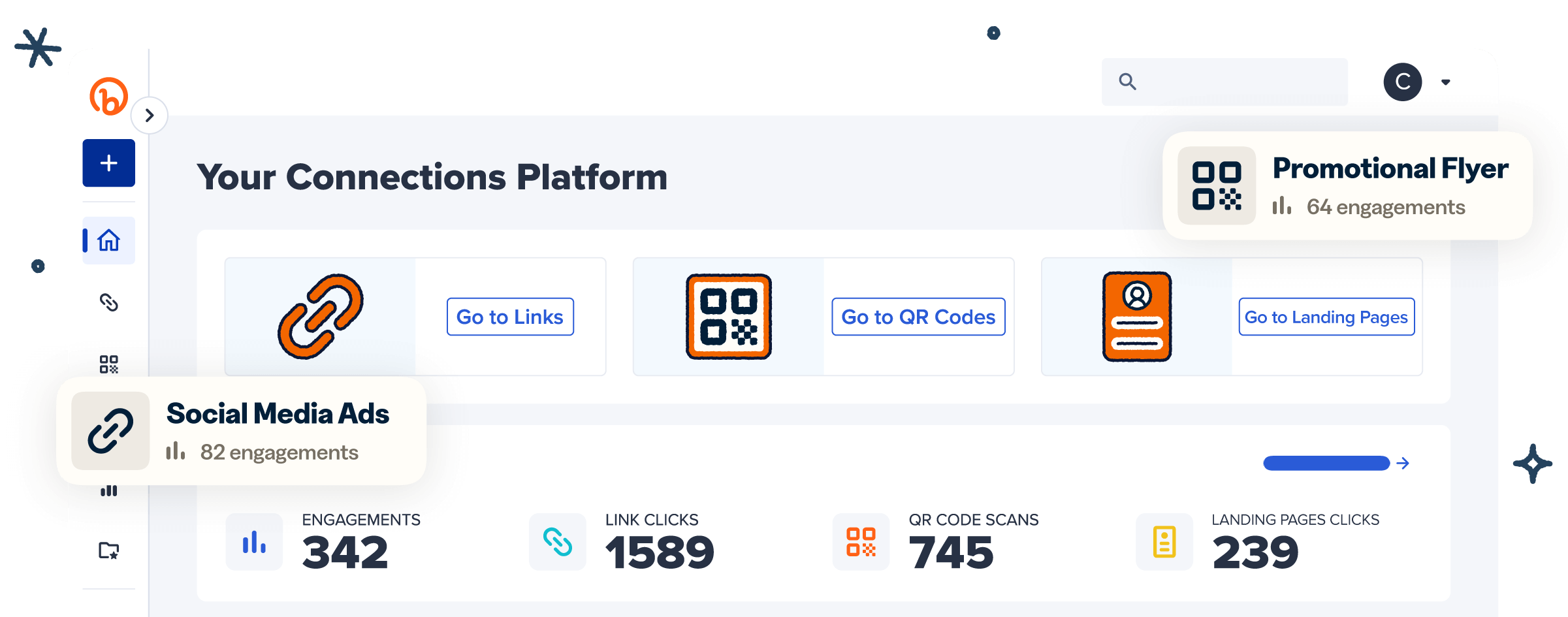
Customers expect quick, personal communication from their insurers and service providers. With scheduled short links, your team can deliver consistent, well-timed updates that build trust and boost engagement. Using Bitly, you can automate when and how each branded short link reaches customers, whether it’s a renewal reminder, service update, or claims follow-up, while ensuring every interaction stays compliant and on-brand.
This article explores how scheduling short links enhances customer satisfaction through timely communication, automation, and secure tracking, helping your business strengthen relationships and streamline its digital marketing workflow.
Note: The brands and examples discussed below were found during our online research for this article.
Why timing matters for customer connection
In customer communication, timing often determines whether a message builds trust or whether the recipient ignores it. For insurers and service providers, proactive updates like renewal reminders, claim notifications, and service follow-ups show reliability and attentiveness, which are key to customer loyalty. Today’s audiences expect personalized, convenient outreach that feels immediate, not reactive.
By automating and scheduling short links, teams can deliver these messages at the right moment without adding manual workload. Scheduled delivery ensures every reminder, offer, or update reaches customers when they need it most, improving satisfaction and engagement. At the same time, deep analytics allow you to derive actionable data about evolving customer engagement trends.
How scheduled short links work for campaigns
Scheduled short links are time-controlled short URLs that automatically go live or expire across channels like SMS, email, and social media. This approach helps marketing teams plan and execute campaigns with precision, ensuring each link activates at the perfect moment and deactivates when it’s no longer relevant.
With Bitly, teams can manage every stage of a link’s lifecycle, including activation timing, redirects, and expiry settings. For example, an insurer might schedule renewal reminders with short links that lead directly to an online payment portal or quote request page. These branded short links for registration maintain consistency, reinforce brand identity, and help build trust by using a custom domain that looks professional and secure.
Best practices for improving customer relationships with scheduled links
Scheduled short links strengthen customer relationships by combining structure, clarity, and trust. Always use branded links so customers instantly recognize your business and feel confident clicking. Schedule delivery around moments that matter most, such as policy renewals, claim cycles, or account updates, to reach customers when they’re most engaged.
Prevent link fatigue by limiting duplicate sends and keeping every call-to-action fresh and relevant. Each message should include clear context, like “Here’s your renewal update,” instead of vague prompts. Leverage automation and analytics to discover which times, channels, and message types generate the best response. This data-driven approach helps teams continuously optimize communication. Above all, maintain a customer-first mindset: Timely, useful links demonstrate care and commitment, not just marketing intent.
Use cases for scheduled short links in insurance and beyond
Scheduling short links helps insurers and service providers deliver timely, relevant messages that improve customer satisfaction and operational efficiency. These same principles apply across industries where timing, trust, and convenience drive results. Below are key examples of how automated link scheduling supports stronger, more responsive communication.
Policy renewals and reminders
Schedule short links for renewal notices, premium payments, or claim deadlines. Automatically expire each link once the customer completes their action to ensure relevance and compliance while keeping every customer journey accurate and secure.
Claims and service updates
Use scheduled short links to streamline claims tracking, appointment booking, and document submission. This approach reduces frustration by keeping communication proactive and ensuring customers always know their next step.
Customer onboarding and engagement
During onboarding, insurers can schedule links to tutorials, setup guides, and welcome resources. For continued engagement, automated check-ins can share policy updates, educational content, referral opportunities, or loyalty offers that maintain customer interest over time.
Cross-channel campaigns
Scheduled short links generated via the same URL shortener can create consistency across SMS, email, and social media platforms, helping teams coordinate outreach across multiple touchpoints. Bitly Analytics provides insights into engagement by channel, timing, and audience segment to guide smarter campaign decisions. When you use Bitly for creating stronger customer relationships in e-commerce, it’s easy to expand omnichannel engagement across mediums, regardless of which touchpoint your customers first encounter.
Addressing data security and compliance concerns
Automation and link tracking can sometimes raise valid questions about data security and privacy, especially for insurers handling sensitive customer information. Bitly SOC-2 compliance addresses these concerns by ensuring rigorous, independently audited security standards for all users.
Every short link and redirect uses HTTPS to protect customer data during transmission, while role-based access and centralized governance reduce the risk of misuse or human error. These safeguards help teams maintain compliance across departments and regions.
Automation doesn’t compromise control. It enhances reliability by ensuring links activate, track use data, and expire exactly as intended. Transparent opt-ins and detailed audit trails further ensure that every communication remains compliant, verifiable, and trustworthy for both you and your customer.
Bitly also gives enterprises full visibility into link activity through detailed metrics and real-time monitoring. Teams can view when, where, and how each short link performs across marketing campaigns, helping them detect irregular activity and maintain compliance with internal policies. Centralized link management ensures that only authorized team members can modify redirects or update branded short links, reducing the chance of outdated or incorrect destinations reaching customers.
Through its custom domain controls and API-level permissions, Bitly helps organizations align user experience with regulatory expectations while protecting their brand awareness and customer data. Our platform’s encrypted URL workflows and role-based hierarchies maintain a strong balance between accessibility and security. Whether you’re managing policy updates, claims links, or customer onboarding messages, Bitly ensures every interaction remains private, consistent, and compliant. For businesses of any size, this level of governance turns automation into a trusted foundation for long-term digital relationships.
How Bitly helps you automate engagement and build trust
Bitly gives enterprise teams everything they need to deliver automated, branded communication with confidence. With branded short links, you can enhance recognition, credibility, and customer trust across every interaction. Scheduling and expiry tools make it easy to control when links go live or expire, ensuring each message feels timely and relevant.
Bitly’s real-time analytics reveal how audiences engage with every link, helping teams optimize timing, channels, and content for stronger results. Seamless integrations with leading CRM and marketing platforms extend data usefulness across your entire workflow, turning manual tasks into measurable engagement. Link click automations that save sales reps time let your staff focus on big-picture issues that really move the needle instead of wasting work hours dealing with repetitive minutia.
Integration can allow teams to fully automate their digital marketing and link management processes. By connecting Bitly with tools like CRMs, analytics dashboards, and social media platforms, marketers can automatically create custom short links and branded links for every campaign or message.
This setup reduces repetitive manual work and ensures every short URL and custom domain follows consistent naming conventions. Our open API makes it easy to apply UTM tracking parameters, trigger notifications, and schedule follow-up actions based on link clicks or campaign performance. These capabilities help your team maintain accurate metrics, avoid spammy workflows, and keep their brand identity consistent across all customer touchpoints.
The Bitly Marketplace expands automation even further by offering prebuilt integrations that connect with major software suites. You can automatically post branded short links to LinkedIn, manage redirects in real time, and sync engagement data with your workflow tools.
This data-driven approach helps teams measure rankings, optimize character counts, and track click-through rates to refine their marketing strategies. Integrations also enhance functionality for team members, giving everyone access to shared templates and analytics that improve user experience and campaign coordination.
Building stronger customer connections with smarter timing
Scheduled short links make it easier for teams to connect with customers through timely, consistent, and secure communication. By automating delivery, brands maintain a steady cadence of helpful updates that improve satisfaction and loyalty while protecting compliance and data integrity.
With Bitly, insurers and enterprise teams can manage every interaction with precision, strengthening brand credibility, improving engagement metrics, and boosting operational efficiency. Bitly’s automation and analytics tools turn every message into a measurable opportunity to build trust and deliver value when it matters most.
Start improving your customer communication today. Log in to Bitly now and see how easy we make it to schedule short URL tasks for campaigns of all types.