
Say your brand prints 10,000 product boxes with a QR Code tied to a limited-time promotion. Then the promo URL changes. Suddenly, the QR Code is wrong, the packaging is outdated, and fixing the problem could mean an expensive reprint before the product even reaches customers.
That’s the hidden risk behind many free QR Code generators. What looks free upfront can create unexpected costs later, especially once campaigns are already live. And as more businesses rely on QR Codes across packaging, retail signage, direct mail, and events, those risks become harder to ignore.
Static QR Codes may seem convenient, but they’re difficult to manage once campaigns evolve or teams need performance data. A smarter QR Code setup gives businesses more flexibility, visibility, and control without forcing another full production run every time something changes.
Here’s where the hidden costs tend to show up, and how Dynamic QR Codes help businesses avoid them.
Note: The brands and examples discussed below were found during our online research for this article.
Key takeaways
- Free QR Code tools often deactivate codes after a certain number of days or once a scan cap is reached, sometimes after materials have already been printed.
- Static QR Codes cannot be updated, meaning a single URL change can trigger expensive reprints across packaging, signage, or other printed materials.
- Without Dynamic QR Codes, businesses have little visibility into scan activity or campaign performance, making offline marketing harder to measure and optimize.
- QR Code phishing, also known as quishing, is a growing threat, and unbranded codes make it harder for customers to verify destinations before scanning.
- Dynamic QR Codes from platforms like Bitly help businesses avoid these issues with editable destinations, analytics, branded links, and centralized management tools.
QR Codes are everywhere, but most businesses are using them incorrectly
It’s no wonder so many businesses are using QR Codes. They’re an effective way to connect offline and online experiences throughout the customer journey. However, many businesses still aren’t using them to their full potential.
Because free QR Codes are quick and easy to generate, it’s common to treat them like disposable graphics: create one, print it, and move on. But many of these codes are Static, meaning they can’t adapt once they’ve been printed. When a website, campaign, or promotion inevitably changes, the code can quickly become outdated, costing businesses valuable engagement.
Dynamic QR Codes work differently. Instead of acting like one-time assets, they function as long-term touchpoints that can evolve alongside your campaigns. The biggest difference between Static and Dynamic QR Codes is flexibility: Dynamic Codes can be updated after they’ve been published, allowing businesses to reuse the same code even as destinations and campaigns change.
Why “free” is the most expensive word in QR Code marketing
At first glance, free QR Code tools seem appealing. Since they cost nothing to generate, they’re easy to add to campaigns without expanding your budget.
However, the real cost tends to show up later, especially once campaigns are already in motion. Many free platforms impose scan caps of 50 to 100 scans or deactivate codes after just a few weeks.
That means a code could stop working mid-flight without warning. To keep things running, businesses may need to create a new QR Code and reprint their materials, adding unexpected costs and delays along the way.
Those tradeoffs affect more than just your budget: they can impact operations, analytics, customer trust, and long-term campaign performance.
You don’t own your QR Code if you didn’t pay for it
Every QR Code is tied to a short URL that directs scanners to a destination page. With many free QR Code tools, businesses have little control over that URL or the infrastructure behind it. Instead, the platform automatically assigns a generic short link using its own domain.
That creates long-term risk. If the provider changes its terms, restricts features, gets acquired, or shuts down, the links connected to your printed materials may no longer work as expected.
Platforms like Bitly give businesses more control and flexibility. Depending on your plan, you can generate QR Codes tied to branded short links and custom domains, then update destinations whenever campaigns, promotions, or landing pages change.
The reprint bill nobody budgets for
Most QR Codes are used on physical materials, like product packaging, menus, flyers, and business cards. These materials come with meaningful production costs, especially when custom printing, specialty finishes, shipping timelines, and large print runs are involved.
Many of these assets also outlast the campaigns they were created for. A menu QR Code printed in January may still be in circulation in October, even if the menu changes seasonally. Direct mailers can sit on counters for weeks before they’re opened, while flyers may stay posted for months before they’re replaced.
Static QR Codes don’t have editing functionality, which means you can’t adjust the destination URL when campaigns change. Instead, businesses may need to reprint materials with an entirely new QR Code, which quickly becomes expensive at scale.
Paid QR Code generators make it easier to keep campaigns current. You can update the destination URL tied to a QR Code whenever needed, allowing the same code to stay active without requiring another print run.
Scan caps are a ticking clock on your printed materials
Many free QR Code services place limits on how many times a code can be scanned before it stops working. These scan caps are often surprisingly low—some platforms cut access off after just 50 scans. That creates a serious issue for QR Codes placed in high-traffic environments like product packaging, retail signage, or transit ads, where a single code could be scanned thousands of times.
The bigger issue is that customers receive no warning when a code expires. They simply scan it, get no result, and are left wondering whether the problem is with the code or the brand itself. Over time, repeated moments of friction like this can damage customer trust and brand perception. In fact, 46% of consumers say they would stop buying from a brand after just two negative interactions.
To avoid this, businesses should look for a QR Code platform without scan limits. Bitly’s free tier includes two QR Codes per month with unlimited scans. Codes remain active as long as the associated account stays active, helping teams avoid broken customer experiences tied to expired scan quotas.
Your campaign data is sitting in a black box
One of the biggest downsides of using a free platform is the lack of QR Code tracking and analytics. Think about your last QR Code campaign: without built-in tracking, there’s no clear way to see how many people scanned the code, when scans happened, or what devices they used.
Since Static QR Codes don’t generate any scan data, businesses lose visibility into how customers interact with printed materials. That makes it harder to understand which placements are driving engagement or whether offline campaigns are contributing to broader marketing goals.
Over time, that lack of insight creates a much more significant problem: teams can’t accurately measure return on investment (ROI) or make informed decisions about future campaigns.
What you can learn when you actually track your QR Codes
When you use a Dynamic QR Code platform with built-in analytics, you get a much clearer picture of how people engage with your QR Codes. Bitly surfaces the following metrics:
- Scan count
- Scans over time
- Scan location by city and country
- Device type and operating system
These insights help teams better understand customer behavior and campaign performance. For example, a retail chain using QR Codes on in-store signage can compare scan activity across locations to see which stores drive the most interest. A brand running billboard ads can analyze engagement trends over time to identify when audiences are most likely to interact.
With that visibility, marketing teams can refine placements, messaging, and budget allocation based on real engagement patterns.
Bitly also supports UTM parameters on Bitly Links, allowing teams to send QR Code traffic data directly into Google Analytics for broader campaign reporting and attribution.
Without data, you can’t optimize (and you will overspend)
If you’re not tracking QR Code data, you could be overspending on your marketing campaigns without realizing it.
That’s because you can’t see which QR Code placements are driving engagement and which are underperforming. Without visibility, teams often distribute budget evenly across materials and channels instead of investing based on actual performance.
Over time, that leads to wasted spend on placements that aren’t generating meaningful results, while stronger-performing campaigns miss out on additional investment.
The developer tax: When free tools require engineering time
Using free software often comes with hidden engineering costs. Many of these tools lack built-in integrations, APIs, or customization options, forcing internal teams to create their own workarounds.
To keep free QR Codes functioning reliably, engineering teams may need to set up server-side redirects, maintain self-hosted QR Code plugins, or manually connect scan data to analytics platforms. When third-party tools fail or break, internal teams are responsible for troubleshooting and fixing the issue.
That dependency creates operational friction across the business. Engineering resources get pulled away from higher-impact work, while marketing teams are forced to wait on IT support before campaigns can move forward. Over time, even simple QR Code updates become slower, more fragmented, and harder to manage across teams.
QR Code fraud is a growing problem, and unbranded codes make it worse
Quishing, or QR Code phishing, is a real-world cybersecurity threat that can damage customer trust and hurt your brand reputation. It happens when bad actors place fraudulent QR Codes over legitimate ones in public places like restaurants, retail stores, parking garages, and transit stations.
These fake codes direct customers to malicious websites designed to steal sensitive information or distribute malware. If someone experiences fraud after scanning a QR Code associated with your business, your brand may still be tied to that negative experience, even if you weren’t responsible for placing the fraudulent code.
The threat is growing quickly. QR Code phishing attempts increased by 146% in the first quarter of 2026 alone, making many consumers more cautious about scanning unfamiliar codes.
One of the best ways to build trust is by using custom QR Codes with recognizable brand elements like your logo, colors, and branded links. Those visual signals help customers feel more confident that the destination is legitimate. While many free QR Code platforms offer limited customization, paid platforms typically provide much more flexibility and brand control.
Branded links are your first line of defense
Creating branded short links for each QR Code helps customers feel more confident scanning and engaging. When a QR Code points to a recognizable domain like go.yourbrand.com, users can more easily verify that the destination is legitimate before clicking through.
This is particularly important for brands that handle sensitive customer data or process payments, such as financial services or healthcare providers. In these high-trust environments, even a small moment of uncertainty can weaken customer confidence.
Bitly supports custom domains and branded short links for paid users, giving businesses more control over how their URLs appear and function. Bitly’s Trust and Safety Abuse System adds another layer of protection by crawling destination URLs for phishing indicators and flagging unsafe links before users reach them.
Managing dozens of QR Codes across a business is harder than it looks
If you use QR Codes across multiple marketing campaigns, they add up quickly. Businesses with several brick-and-mortar locations, product lines, or regional promotions can easily end up managing dozens of active codes at once. As those campaigns grow, keeping track of them becomes increasingly complicated.
Without a centralized dashboard, teams may struggle to locate published codes, monitor who created them, manage access permissions, or see when destinations were updated. Over time, even simple maintenance tasks can become fragmented across departments and tools.
For small marketing teams, this creates unnecessary operational overhead and pulls time away from higher-value work. At the enterprise level, it can also become a governance and compliance challenge, especially when multiple teams are managing customer-facing assets independently.
One dashboard to manage every code, link, and campaign
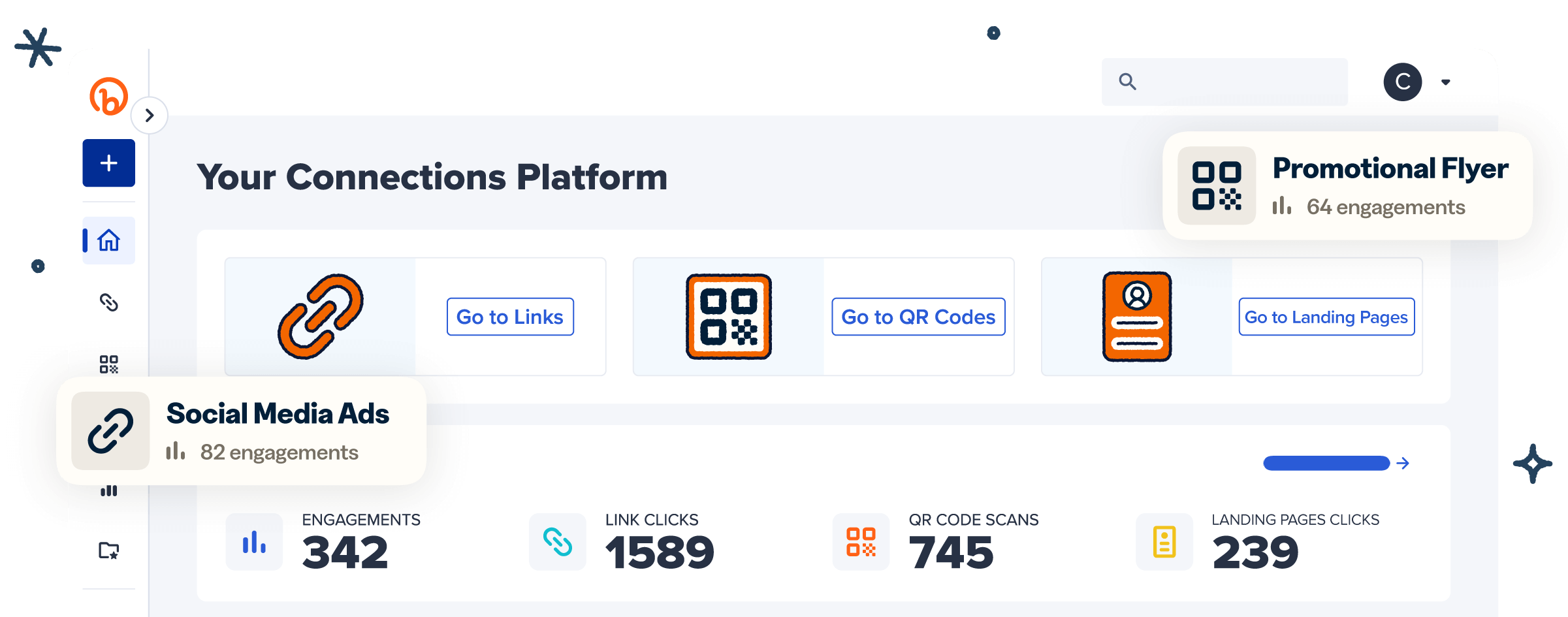
Bitly’s paid plans help teams manage Bitly Codes and short links from a single dashboard. Bitly Analytics brings performance data into one place, making it easier to monitor assets, compare results, and build reports without constantly switching between tools.
Bitly Campaigns also helps teams organize and tag links by initiative, region, or channel for easier filtering and oversight. For larger rollouts, bulk QR Code generation streamlines large-scale code creation and management.
Keeping everything in one system reduces operational overhead and gives teams more control over customer-facing assets. A centralized workspace also improves governance and transparency by making it easier to manage permissions, monitor updates, and track when codes were created or edited.
How to audit what your QR Codes are actually costing you
Using a free QR Code tool doesn’t necessarily mean your QR Codes are free to maintain. Many of the biggest costs—reprints, lost analytics, broken links, and operational inefficiencies—show up gradually over time.
To understand the true cost of your current setup, ask the following questions:
- How many QR Codes does your business currently have in circulation?
- Are these QR Codes Static or Dynamic?
- Do you have scan data for any of them?
- How often have materials needed to be reprinted because a destination URL changed?
- Are any active QR Codes currently pointing to broken, outdated, or inactive destinations?
The answers can reveal gaps in visibility, governance, and long-term maintainability that are quietly increasing costs behind the scenes. Even small inefficiencies become expensive when QR Codes are spread across packaging, retail locations, events, and ongoing marketing campaigns.
What the right QR Code platform actually costs versus what it saves
It may seem counterintuitive, but investing in a paid Dynamic QR Code solution can reduce costs over time, especially for businesses that frequently use QR Codes across physical marketing assets, product packaging, and multi-location campaigns.
That’s because many “free” tools already create hidden operational expenses. A single packaging reprint caused by an outdated QR Code can cost hundreds or even thousands of dollars, particularly when premium materials, shipping timelines, or large production runs are involved. Compared to those costs, the annual price of a Bitly Growth plan is relatively small and may help businesses avoid repeated reprints, broken customer experiences, and lost campaign visibility.
For teams just getting started, Bitly’s free plan includes two customizable QR Codes per month with no scan limits. From there, paid plans offer additional analytics, customization, management, and governance features as QR Code usage scales across the business.
Stop paying the hidden tax on free QR Codes
The costs covered in this article aren’t hypothetical. Broken links, expensive reprints, missing analytics, security concerns, and operational confusion are all common side effects of treating QR Codes like disposable graphics instead of long-term marketing infrastructure. What starts as a “free” solution can quickly become expensive once campaigns scale across packaging, retail locations, customer communications, and offline marketing materials.
Bitly’s Dynamic QR Codes are designed to help businesses avoid these issues from the start. Bitly Codes support editable destinations, real-time analytics, branded links, and centralized management tools that make QR campaigns easier to update, measure, organize, and secure over time. Instead of rebuilding campaigns every time something changes, teams can adapt quickly while maintaining a more consistent customer experience.
Explore Bitly’s free and paid plans to find a QR Code solution that fits your team today and scales alongside your campaigns over time.
FAQs
What is the hidden cost of free QR Codes?
Free QR Codes often come with scan caps, trial expiration periods, and limited analytics. When codes deactivate after materials have already been printed, businesses may face reprinting costs, lost campaign visibility, and broken customer experiences that far exceed what a paid Dynamic QR Code platform would have cost upfront.
What is the difference between a Static and Dynamic QR Code?
A Static QR Code embeds the destination URL directly into the code pattern. Once printed, it cannot be changed. A Dynamic QR Code points to a short redirect URL instead, allowing businesses to update the destination at any time without reprinting the code. Dynamic QR Codes also support scan analytics, while Static QR Codes don’t.
What is quishing and how does it affect businesses?
Quishing is QR Code phishing, a fraud tactic where bad actors place fake QR Codes over legitimate ones to redirect users to malicious websites. Businesses using unbranded QR Codes face higher risk because customers have no easy way to verify the destination before scanning. If customers are defrauded through a code associated with your brand, the reputational damage can be significant.
Does Bitly offer a free plan for QR Codes?
Yes. Bitly’s free plan includes two QR Codes per month with no scan limits. Paid plans unlock advanced customization, deeper analytics, bulk QR Code management, and branded domain options for teams running larger or more complex campaigns.