Like it or not, some of your most engaged audience members probably aren’t showing up on your marketing dashboards. They didn’t comment on your last social post in all-caps with five exclamation points or repost your latest Reel. Instead, they shared in the shadows, so your quarterly report can’t reflect their enthusiasm.
For more than a decade, marketers have been grappling with “direct” traffic in Google Analytics that they can’t attribute to a specific campaign, channel, or post, and it often comes down to the phenomenon known as dark social. You see the downstream effects of dark social on your campaign performance, and it’s probably even driving sales. But you can’t always put your finger on when, why, and how it happens.
Dark social signals high engagement, but it comes with limited measurability. So what’s a marketer to do? Let’s explore the challenge of dark social and why this traffic doesn’t have to be as sinister as it sounds.
The long and short (links) of dark social
Dark social happens when an audience member shares or visits your content outside of public-facing channels like the social media feed. Instead, someone spots your content or post and shares it with someone via a “dark social” channel: a text message, social media DM, or digital community (think Slack or Teams).
Here’s how the journey might unfold:
- You (the marketer) publish a product selection quiz on your website. Then, you share a link to the quiz across channels.
- A customer sees the quiz on Instagram, takes it, and finds it fun and insightful.
- They copy the link to the quiz and text it to their group text.
- Four of their friends take the quiz and share their results with each other. They might even make a purchase.
- When the marketer checks their analytics dashboard, they see one visit referred from Instagram, and five “direct” visits—with no indication or context about where those people actually came from.
This is the conundrum of dark social. It often leads to highly engaged behaviors because a customer or prospect finds your content interesting and helpful enough to share it directly with others. (And organic word-of-mouth promotion is the kind of marketing value that money can’t buy.)
But marketers are under constant pressure to attribute every click and measure the ROI of every channel—and dark social complicates those efforts.
Why dark social sharing is (still) on the rise
The marketing world named dark social over a decade ago, but it’s now firmly ingrained in the consumer and marketing ecosystems, and its influence only continues to grow.
One of the most recent factors that continues to boost dark social is the increasing influence of AI in the research and purchase process. Growing numbers of consumers head to their LLM of choice (ChatGPT, Gemini, or Claude, just to name a few) and ask them about the best brand or solution for a problem. These searches may not be the final decision-maker, but they can heavily influence buyers’ starting point. Plus, AI is notably inconsistent about which options it surfaces in which order, as recent SparkToro research uncovered.
Even when someone does start their buying process with a search engine like Google, AI exercises significant influence through generated summaries that redirect or minimize clicks, making it harder for marketers to track user behavior. And plenty of consumers copy-and-paste results from LLMs directly or AI-generated search results to share them, further muddying the dark social waters. When an AI-powered search process joins forces with a dark social share of your content or AI results, the visits don’t get attributed as “AI referrals”—they come in as direct traffic.
In a mobile-first world (where over half of global web traffic happens on a smartphone), it only makes sense that audiences are consuming media as fast as they share it to a friend, colleague, or group text. Rather than comment on a post or reshare it, they’re engaging outside of the feed and boosting traffic and engagement past the bounds of the original referring channel.
Growing privacy concerns don’t help matters, either. Privacy-minded consumers are often more likely to engage outside of the spotlight, with a direct message or community share to trusted groups. All of this behavior amounts to “invisible engagement” and leaves marketers scratching their heads.
The double-edged sword of dark social
One of the great enduring marketing mysteries, direct traffic happens in Google Analytics 4 (GA4) any time that referral data isn’t present. This can happen for several reasons, one of which is the kind of sharing that happens with dark social. 2023 SparkToro research confirmed that dark social from most networks obfuscates referred traffic, falsely attributing the traffic as “direct.”
When someone sends a link through WhatsApp, Facebook Messenger, Slack, or text messaging, the link doesn’t include referral data. So even if multiple coworkers or friends click the link (and then visit the brand’s website later on), GA4 classified the traffic as “direct,” leaving marketers with a pretty sizable bucket of traffic they can’t attribute. Dark social would be a positive and informative engagement indicator—if it were easier for marketers to see happening in real time.
The abundance of direct traffic also sparks some common misconceptions. The first is that direct traffic automatically equates to “brand traffic,” or visits from people who are already familiar with and considering buying from your brand. But as we know, that’s not necessarily the case: “Direct” traffic includes dark social visits to your content or site shared in DMs, texts, and digital communities. These people may not have ever heard of your brand, but they check out your content or product because a trusted source sent them your way. (What’s more, a link that someone copies and pastes from an AI overview also shows up as direct traffic without referral data, so marketers are another degree removed from understanding where the traffic came from.)
Dark social also tends to spark the misconception that there’s no way to overcome the default lack of measurability—that’s not the full truth, either. Marketers can apply link-level strategies to increase the chances of gaining referral data from dark social visits. (More on that later!) But without those measures in place, dark social, by default, causes some major headaches for marketers.
What dark social gaps cost your marketing team (and company)
As long as dark social leaves marketers, well, in the dark, they face glaring blind spots and attribution gaps that can overestimate brand awareness at best and misdirect their strategy at worst. Incomplete marketing data can leave teams guessing or spending their precious resources on the wrong channels or campaigns.
They might overspend on ads for a platform that isn’t performing as well, or they might invest less than they should in brand-building tactics because their direct traffic is so strong. The missing signal from dark social also underreports traffic and engagement from high-intent channels that could help marketers better understand their audience.
These reporting gaps limit the marketing team’s performance—which, of course, also impacts the business. Marketers miss the opportunity to refine and optimize certain campaigns for channels that could drive revenue with great-fit audiences. They might not retarget campaigns to already-warm recipients of direct messages about their content, or they can miss regional opportunities for campaigns or products in areas where dark social is especially prevalent.
Dark social remains a tough challenge for data-driven marketers, and it can skew reporting, insights, and strategy when left unchecked. But it’s not beyond hope, either.
Turn on the lights with your link strategy
Marketers know better than anyone the unpredictability of the average consumer’s web browsing habits, let alone their purchasing behavior. The linear and funnel-shaped shopping journeys are no more, if they ever existed, and buyers move deftly between devices, apps, sites, and even conversations at a moment’s notice.
We may not have a foolproof solution to perfectly capture and measure dark social. But a structured link strategy is the first and most important step to make dark social more discoverable and trackable with every share and link—these steps can help.
Brush up on your UTM strategy
This is step 0. If you’ve built a data-driven foundation for your marketing efforts, you likely already have a UTM discipline in place. Even if you do, now is a great time to revisit and refine your approach.
Clarify your standards and definitions for which parameters to use when and where, and ensure your team is on the same page with these workflows. All of this should be in place before anything else. While you can’t be sure whether or not a sharer will copy the UTM parameters when they send the link to someone else, consistent implementation is the first step.
Lean on branded short links
Branded short links make your content infinitely more shareable on a visual level. When an engaged viewer wants to share the link to your recent post with their group chat, a short link that includes your custom domain and a descriptive back-half is easy and friendly to copy and paste quickly. They’re also easier to type out if someone sees your link in print and more visually appealing to the audience they share the link with, which is more likely to drive clicks.
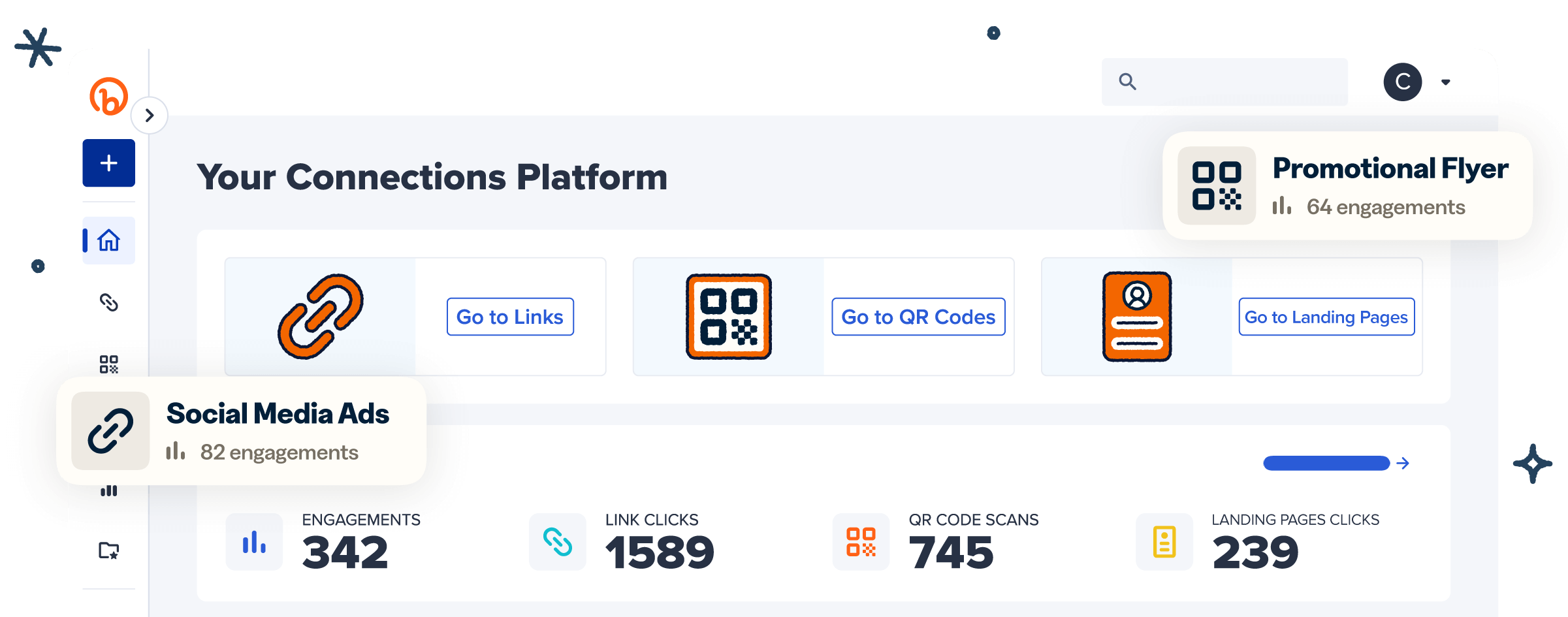
But branded short links do a lot of important work behind the scenes, too. Let’s say you create a Bitly short link for your brand. Within that link, you can still include UTM parameters that collect data when the short link is shared via dark social channels. And with Bitly Analytics, you also get tracking details like geography (where your link was clicked) and performance over time. Branded short links help you break out of the black box of “direct traffic” to understand more about every dark social share.
Create separate links for each campaign
Depending on your UTM strategy, you likely already have this best practice on lock. But here’s why it’s so important: Dark social shares boost traffic to your destinations like product or service pages, and with tracking details, they also tell you about the strategies that are working for your program.
Build branded short links for each channel and campaign, with dedicated UTM parameters for each, to reveal which of your marketing efforts are reaching and compelling shares and engagement. Instead of seeing a massive influx of direct traffic, you can head to your Bitly Analytics dashboard to see exactly what content drove each visit and adjust your strategy accordingly.
Plan for offline sharing
If you’re making highly engaging, shareable content (and products or services), assume that people will want to share it from wherever they encounter it. On OOH ads or event signage and promos, include QR Codes that viewers can scan or photograph on the go. From there, they can copy and paste the link or visit it later.
With Bitly QR Codes, you still get the tracking details if someone copies and pastes the link to share with others, and you provide a path to learn about your offline-to-online engagement pathways.
Bonus: Ask where they heard of you when possible
You never want to overwhelm someone taking a survey or on their way to checkout. But whenever possible, ask “How did you hear about us?” to look for patterns and find out what content is truly memorable and shareable.
These qualitative answers might not give you hard data on how many visits from social or email shares came from dark social. But they can offer signal about whether friends, colleagues, or even influencers are boosting your brand or content—and show you what’s working about your content and where to double down.
The power of link-level data with Bitly
At a time when consumers value their privacy and trust word of mouth above maybe anything else, dark social shows little sign of slowing down. Marketers need to plan for this kind of engagement instead of resisting it. By creating paths to link-level data with more trackable touchpoints like Bitly’s suite of solutions, brands can gain back some of the visibility behind their visits and gain a greater understanding of how their audience responds to each campaign. Link-level data is the cleanest way to understand your audience’s behavior and remove some of the mystery of direct traffic.
Dark social is a good sign of the quality and innovation of your content. Combine a rich strategy focused on branded short links with mobile-friendly content and interactive or unique experiences that your audience will want to share. Bitly helps you share and measure your campaigns in real time, even in hard-to-reach customer interactions. Light up your audience engagement by signing up for Bitly for free today and link your marketing.